What is Valve Lockout Chain and Why is it Essential for Safety?
Safety in industrial environments is paramount, particularly when dealing with machinery and equipment. One critical component in maintaining this safety is the "Valve Lockout Chain." With reports indicating that improper machine handling accounts for 29% of workplace injuries, the importance of effective lockout/tagout measures cannot be overstated. According to OSHA, effective lockout procedures can reduce these incidents significantly.
The Valve Lockout Chain serves as a physical lockout solution, providing a tangible method for securing machinery during maintenance. This chain creates a barrier, preventing accidental operation. In fact, studies show that implementing these devices can lead to a 50% decrease in machinery-related accidents. Yet, some industries still overlook this essential safety measure.
Despite the proven benefits, there are instances of neglect. Workers may feel confident in their ability to manage equipment without it. This mindset can lead to dangerous situations. Remember, the correct use of a Valve Lockout Chain is not just a procedure; it's a lifeline. By prioritizing these safety measures, industries can foster a culture of responsibility and protection.
What is Valve Lockout Chain?
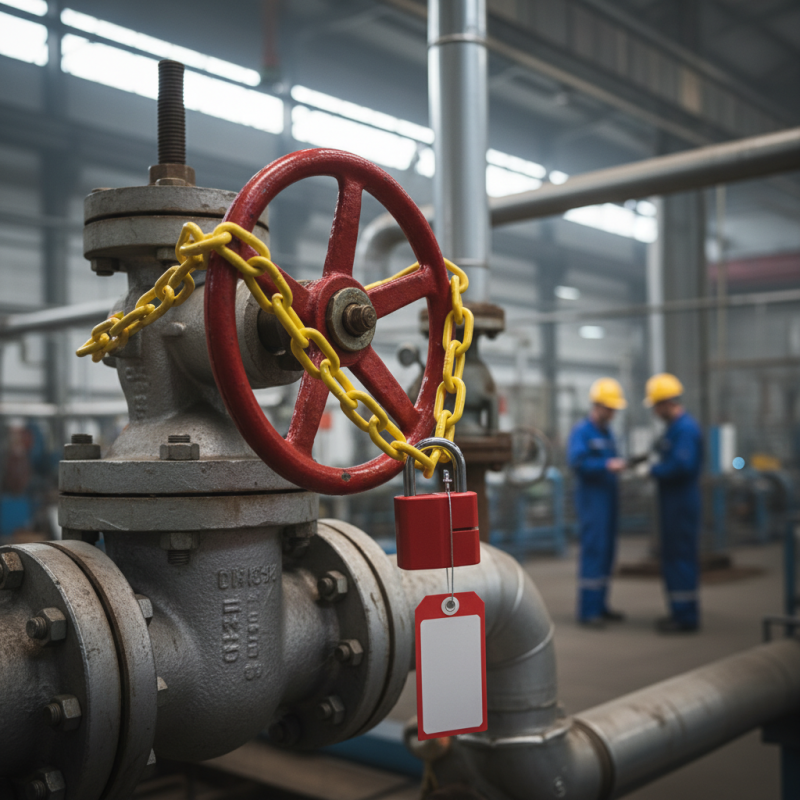
A valve lockout chain is an essential safety tool used in industrial settings. This device is designed to secure valves in a closed position during maintenance or repair work. It prevents accidental opening, which can lead to hazardous situations. The lockout chain typically consists of a durable material that can withstand harsh environments. Its bright colors make it easily visible, acting as a clear warning to workers.
Using a valve lockout chain shows a commitment to safety protocols. Professionals in various industries rely on these chains to protect employees and equipment. However, some facilities might overlook their importance. Inadequate training can lead to improper use. This underscores the need for regular safety audits and staff education. To truly ensure safety, organizations must prioritize the correct implementation of lockout procedures.
The effectiveness of a valve lockout chain lies in its proper application. It’s not enough to just have the tool; workers must be trained to use it correctly. Regular inspections and real-world drills can enhance understanding. By fostering a culture of safety, organizations can minimize risks and maintain a secure working environment.
The Key Components of a Valve Lockout Chain
Valve lockout chains are critical safety devices used in industrial settings. They prevent unauthorized access to valves during maintenance or repairs. Each lockout chain consists of robust materials that can withstand tough environments. The key components include lockout tags, chain links, and padlocks that secure the valves effectively.
Side-by-side comparisons show that workplaces implementing valve lockout systems see a 20% reduction in accidents. A study from the National Safety Council highlighted that lockout/tagout procedures saved around 120 lives annually. This data underscores the importance of having sturdy, reliable components in a valve lockout chain.
Tips: Always inspect your valve lockout chain regularly. Look for signs of wear and tear on tags and links. This proactive measure can prevent unexpected failures. Train employees not only in using these systems but also in recognizing when they might be compromised. A thorough understanding of your lockout devices is crucial.
What is Valve Lockout Chain and Why is it Essential for Safety? - The Key Components of a Valve Lockout Chain
| Component | Description | Importance for Safety | Material |
| Lockout Padlock | A secure lock used to prevent unauthorized operation of a valve. | Ensures that valves remain in a safe position during maintenance. | Steel, plastic |
| Lockout Hasps | Tool that allows multiple locks to be placed on a single point. | Enables teamwork during service without removing locks. | Steel, aluminum |
| Warning Tags | Labels indicating that a valve is locked and should not be operated. | Communicates clearly to all personnel that a valve is out of service. | Plastic, cardstock |
| Valve Lockout Device | Physical device that secures a valve in a closed position. | Prevents accidental operation of valves during maintenance. | Plastic, metal |
| Lockout Chain | Chain used to secure multiple lockout devices together. | Maintains organization and safety by binding multiple locks. | Steel, plastic |
Importance of Valve Lockout Chains in Safety Protocols
Valve lockout chains are critical for maintaining safety in industrial settings. These devices prevent accidental valve operations during maintenance. According to the Occupational Safety and Health Administration (OSHA), proper lockout/tagout procedures can reduce workplace injuries by 80%. A simple lockout chain effectively communicates that a valve must not be operated. This allows workers to perform tasks safely without risking exposure to hazardous materials.
In industries handling chemicals or high-pressure systems, neglecting valve lockout protocols can be devastating. The Center for Chemical Process Safety reports that 83% of accidents involve improper valve operation. Many accidents stem from human error. Implementing lockout chains can significantly mitigate these risks. Workers must undergo training on the importance of lockout chains. However, this training is often overlooked, leading to unsafe practices.
Despite these statistics, some organizations still underestimate the importance of valve lockout systems. Many see them as optional rather than essential. The industry needs to recognize the value of these protocols. Ensuring every worker understands the implications of neglecting valve safety can lead to a culture of vigilance and responsibility. Implementing robust safety measures is a continuous process requiring reflection and improvement.
Best Practices for Using Valve Lockout Chains
Valve lockout chains are crucial for maintaining safety during maintenance work. These chains prevent unauthorized valve operation while maintenance is underway. According to the U.S. Occupational Safety and Health Administration (OSHA), improper lockout procedures are a significant cause of workplace accidents. Each year, thousands of injuries occur due to equipment that was not properly shut down.
When using valve lockout chains, follow best practices. Ensure that each chain is visible and securely fastened to all access points. Visibility is essential, as a missing or dislodged chain could lead to hazardous consequences. Training employees on lockout/tagout (LOTO) procedures further enhances safety. Reports indicate that organizations providing LOTO training see a 40% reduction in accidents related to machinery.
Routine inspections of the lockout chains are important. Chains should be checked for wear and tear. Damaged chains must be replaced immediately to avoid complacency among workers. Lack of attention to detail can create risks. Employees might overlook safety measures when chains are in poor condition, leading to dangerous scenarios. Regular audits are necessary to ensure compliance and reinforce safety culture within the workplace.
Common Applications and Industries for Valve Lockout Chains
Valve lockout chains are essential tools across various industries. They are mainly used to enhance safety during maintenance operations. These chains serve a vital purpose: preventing accidental valve activation while workers perform repairs or inspections. This method is commonly seen in oil and gas, chemical manufacturing, and water treatment facilities.
Many industries rely on valve lockout chains for compliance with safety regulations. In chemical processing, for example, unintentional valve changes can lead to hazardous spills. Workers must install lockout chains to can ensure valves remain in a secure position. Similarly, in power plants, these chains help avoid unauthorized access to crucial equipment.
Utilizing these lockout chains requires proper training and oversight. While many understand their importance, consistent usage remains a challenge. Workers might forget to engage the chain after maintenance. This oversight could have serious consequences. Regular training sessions could help foster a safety-first mindset within teams. Each employee's commitment to proper lockout procedures contributes to a safer work environment. Safety is not just a guideline; it's a collective responsibility.
Usage of Valve Lockout Chains Across Various Industries


' d='M0 0h21v15H0z'/%3E%3Cpath fill='url(%23b)' d='M0 0h21v5H0z'/%3E%3Cpath fill='url(%23c)' d='M0 5h21v5H0z'/%3E%3Cpath fill='url(%23d)' d='M0 10h21v5H0z'/%3E%3C/g%3E%3C/svg%3E)