Top 10 Ball Bearing Pullers for Easy Bearing Removal

Removing a seized bearing should not feel like a fight with the machine. Yet many repairs become difficult when the tool slips, bends, or damages nearby components. A reliable ball bearing puller can make this work more controlled, especially in tight housings and crowded assemblies. The best choice depends on bearing size, available clearance, jaw shape, thread strength, and pulling force. Small details matter. A thin jaw may reach behind a bearing, while a reinforced bridge can prevent uneven pressure.

This guide examines ten bearing pullers designed for practical removal tasks. The selection considers workshop experience, manufacturer specifications, user feedback, and common maintenance requirements. I have learned that smooth adjustment is often more valuable than impressive maximum force. A strong screw helps, but only when the jaws remain aligned. Protective tips, hardened steel, and corrosion-resistant finishes can also improve reliability during repeated use. Always inspect the tool before applying pressure.

Not every puller suits every bearing. Some compact kits look convenient but flex under heavy loads. That can turn a simple repair into an expensive mistake. I have also found that even experienced users sometimes choose a tool by size alone. Clearance and grip matter just as much. This overview compares each option by design, capacity, handling, and likely workshop use. It also points out limitations, because no tool is perfect. Read the load ratings carefully, protect the shaft threads, and increase pressure gradually. Patience helps. The right puller should remove the bearing without bruising the shaft or distorting the housing.
Top 10 Ball Bearing Pullers for Easy Bearing Removal

Understanding Ball Bearing Pullers and Their Applications

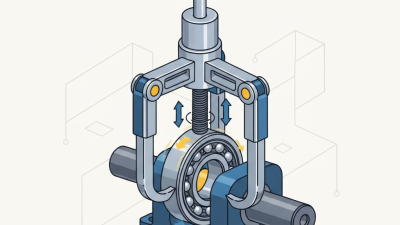
A ball bearing puller removes bearings with controlled mechanical force instead of improvised blows. It usually includes jaws, a forcing screw, and a support frame. The jaws grip the bearing’s inner race or outer edge. Turning the screw then transfers pressure along the shaft. Small tool, serious control.

Different puller designs suit different applications. Internal pullers expand inside a bearing when the outer surface is inaccessible. Two-jaw and three-jaw pullers grip exposed edges on housings, pulleys, and wheel assemblies. Slide-hammer versions help extract tight bearings from shallow bores. A technician should measure the bearing, shaft diameter, and available clearance before choosing among the top ten options. A puller that fits poorly can bend seals, scar a shaft, or release suddenly.

In practical use, clean the surrounding area and apply penetrating lubricant only where appropriate. Protect finished surfaces with a thin metal plate or a purpose-made shield. Keep the forcing screw aligned with the shaft, then increase pressure gradually. Stop if the bearing tilts or the jaws begin slipping. I have found that patience prevents more damage than extra force. Still, pullers are not universal; some seized bearings require heat, a press, or specialist assessment. Inspect threads, jaws, and retaining pins before every operation. Wear eye protection and keep hands away from the load path.

Preparing Bearings for Safe and Efficient Removal

Preparing Bearings for Safe and Efficient Removal

A top-ten bearing puller guide is useful, but preparation decides whether removal stays controlled. Disconnect power completely, then confirm the shaft cannot move unexpectedly. Wear eye protection and sturdy gloves. Wipe away grease, dust, and metal particles around the bearing. A clean surface helps the puller grip evenly and reveals cracks, corrosion, or damaged threads.

Measure the bearing width, shaft diameter, and available clearance before choosing a puller. Select jaws that sit behind the inner race, not the outer seal or cage. Protect exposed threads with a thread protector or a spare nut. Apply a suitable penetrant around the fit, then allow time for it to work. Do not strike the puller screw with excessive force. I have seen rushed removal bend thin jaws and scar a serviceable shaft. Sometimes, stopping is the safer choice.

Tips: Keep the puller centered and tighten it gradually. Check jaw contact after every turn. If the bearing resists, inspect alignment, add controlled heat only where appropriate, and reassess the fit. Never place fingers behind loaded jaws. Use a soft barrier to control falling parts. Photograph the assembly before removal; small spacers are easy to misplace. A flawed assumption can cause damage, so measure twice.

Top 10 Ball Bearing Pullers for Easy Bearing Removal

Top 10 Ball Bearing Pullers for Easy Bearing Removal

Choosing among the top 10 ball bearing pullers starts with the bearing’s position, load, and access space. A two-jaw puller suits exposed bearings, while a three-jaw design offers better balance. Internal collet pullers grip races inside housings. Blind-hole pullers need expanding fingers, not improvised hooks. Hydraulic models provide higher force, but they can damage soft housings when pressure is uncontrolled.

Grand View Research estimated the global bearing market at roughly 132 billion dollars in 2023. That scale reflects extensive maintenance demand across vehicles, machinery, and production equipment. In practice, a separator plate often protects a narrow bearing shoulder better than standard jaws. A slide-hammer puller can remove small bearings quickly, though vibration may disturb nearby seals. Always measure shaft diameter, housing depth, and bearing width before selecting the tool.

The strongest ten-tool shortlist includes two-jaw, three-jaw, reversible, internal, external, blind-hole, separator, slide-hammer, hydraulic, and compact pullers. ISO 15243 identifies contamination, poor lubrication, and mounting damage as common bearing failure causes. Removal should not create another failure. I once tightened a puller too aggressively and marked the shaft. That mistake was avoidable. Use steady force, inspect jaw alignment, and stop when the housing begins to flex. A calibrated torque wrench is helpful, but many workshops still rely on feel. That deserves reconsideration.

Choosing the Right Puller for Each Bearing Type

Choosing the right bearing puller starts with identifying how the bearing is mounted. An external two-jaw puller suits exposed bearings with a clear outer edge. A three-jaw design gives better balance on wider bearings. For tight housings, an internal puller or expanding collet grips the bearing from inside. Blind-hole bearings often need a slide-hammer puller with a correctly sized collet.

A bearing separator works well when the inner race sits tightly against a shoulder. Its thin plates reach behind the race without pressing against the seal. For stubborn assemblies, a hydraulic puller can provide controlled force, but it may be excessive for small bearings. A universal puller is practical for mixed workshop tasks, although its flexibility can reduce grip accuracy. Threaded-rod pullers offer slow, steady removal and useful control around delicate housings.

Match the puller capacity to the bearing diameter and extraction force. Measure the inner bore, outer race, and available clearance before selecting one. I once chose a broad jaw puller for a narrow bearing, and the jaws slipped twice. That mistake showed me that reach matters as much as strength. It should move evenly.

Inspect the jaws, spindle, and contact points before loading the tool. Keep the puller centered, protect shafts with a suitable cap, and apply penetrating fluid when corrosion is present. Never strike a loaded puller casually; stored force can damage threads or distort the bearing seat. Even experienced technicians recheck alignment. Small errors become expensive quickly.

Using and Maintaining Bearing Pullers Safely

Top 10 Ball Bearing Pullers for Easy Bearing Removal

Using and Maintaining Bearing Pullers Safely

A good bearing puller should match the bearing size, load, and available clearance. Check the rated capacity before tightening. A puller used beyond its limit can bend suddenly. Keep jaws fully seated behind the bearing, not against fragile seals or housings. Clean the spindle and apply a light, suitable lubricant to the forcing screw. Never strike the screw unless the tool is designed for impact use.

Safety begins before removal. Follow lockout procedures under OSHA 1910.147, especially when machinery has stored mechanical or electrical energy. Wear eye protection, gloves suited to the task, and safety footwear. OSHA also requires suitable protection when hand tools may create hazards under 29 CFR 1910.242. The U.S. Bureau of Labor Statistics reported a 2.4 recordable injury rate per 100 full-time workers in private industry in 2023. That figure is not bearing-specific, but it shows why routine maintenance still deserves control. Small tasks cause real injuries.

Inspect the puller before every use. Look for cracked jaws, stretched yokes, damaged threads, and a bent center screw. Keep threads clean, but avoid excessive lubricant that can hide wear. Store the tool dry and relaxed. Do not use improvised extensions. I have seen operators rush this step, and the mistake is easy to repeat. Stop if the bearing resists unusually. Recheck alignment, capacity, and shaft condition before applying more force. Safety sometimes feels slower. It is.

Top 10 Ball Bearing Pullers for Easy Bearing Removal - Using and Maintaining Bearing Pullers Safely
No. Puller Type Typical Bearing Application Typical Reach Typical Opening Range Typical Rated Pulling Force Main Advantages Safe-Use Requirements Maintenance Practices
1 Two-Jaw Mechanical Puller Small and medium radial ball bearings mounted on shafts or inside housings 75–150 mm 20–150 mm 2–5 tonnes Compact, easy to position, and suitable for general workshop removal work Center the forcing screw on the shaft; keep both jaws evenly loaded; wear eye protection Clean threads after use, apply light tool grease, and inspect jaw tips for bending or cracks
2 Three-Jaw Mechanical Puller Bearings that require balanced force around the outer ring 100–200 mm 40–250 mm 3–8 tonnes Three-point contact improves centering and reduces the risk of tilting Engage all three jaws fully; pull against the bearing ring approved for removal, not the seal Check jaw synchronization, clean pivot points, and store with the forcing screw retracted
3 Reversible-Jaw Puller Bearings with either internal clearance or limited external access 100–250 mm 50–300 mm 3–10 tonnes Reversible jaws support both external and internal pulling configurations Confirm the jaws are locked in the correct orientation before applying load Inspect retaining pins and jaw faces; replace worn pins before the next operation
4 Internal Bearing Puller with Slide Hammer Bearings fitted inside blind housings where the rear face cannot be reached 30–100 mm internal grip depth 8–75 mm bore range 0.5–2 tonnes impact force Reaches blind bearings without pushing against the housing exterior Expand the collet firmly behind the inner race; control the slide hammer with both hands Clean collet threads, inspect the impact rod, and check that the stop collar is secure
5 Hydraulic Bearing Puller Large or tightly fitted bearings requiring controlled high extraction force 150–350 mm 75–450 mm 5–20 tonnes High force with less manual effort and smooth, controllable pressure application Use only within the rated capacity; shield the work area and never stand in line with the load Inspect hoses, couplers, ram seals, and pressure-release function; keep hydraulic surfaces clean
6 Separating Plate Bearing Puller Bearings with little space behind the inner race or components mounted close to a shoulder 50–180 mm 20–180 mm shaft diameter 2–10 tonnes Thin plates can enter narrow gaps and distribute force close to the bearing race Seat both plates evenly behind the race; tighten side bolts uniformly before pulling Check plate edges for distortion, lubricate adjustment bolts, and remove burrs promptly
7 Bearing Splitter and Puller Set Bearings, gears, pulleys, and rings positioned close to a shaft shoulder 50–250 mm 15–300 mm 3–12 tonnes Versatile setup combines a low-clearance separator with a forcing bridge Keep the separator halves parallel; tighten cross-bolts alternately to maintain even loading Inspect threads and separator faces, clean mating surfaces, and store components together
8 Blind-Hole Bearing Puller Kit Sealed or shielded bearings installed in housings with no access behind the bearing 20–100 mm internal reach 6–60 mm bore range 1–4 tonnes Interchangeable expanding collets accommodate several internal diameters Expand the collet only enough to obtain a secure grip; verify that the housing is supported Clean and lightly oil collets, inspect expansion wedges, and protect parts from corrosion
9 Slide-Hammer External Puller Light- to medium-duty bearings and components accessible from the outside 75–200 mm 25–200 mm 1–4 tonnes impact force Fast removal where repeated controlled impacts are more practical than screw force Use a firm stance, keep hands clear of the sliding weight, and prevent the shaft from moving Inspect the slide rod, handle, stop, and threads; remove debris before storage
10 Four-Jaw Heavy-Duty Puller Large bearings and heavy components requiring stable, symmetrical loading 200–450 mm 100–600 mm 8–25 tonnes High stability and broad load distribution for large industrial assemblies Use a rated lifting or support arrangement; apply force gradually and stop if the frame deflects Check frame alignment, jaw pins, and forcing screw condition; store dry and fully supported

Safety note: The dimensions and force values shown are typical working ranges for generic puller designs, not specifications for a particular product. Always follow the manufacturer’s capacity, setup, lubrication, and inspection instructions, and never exceed the rated load.