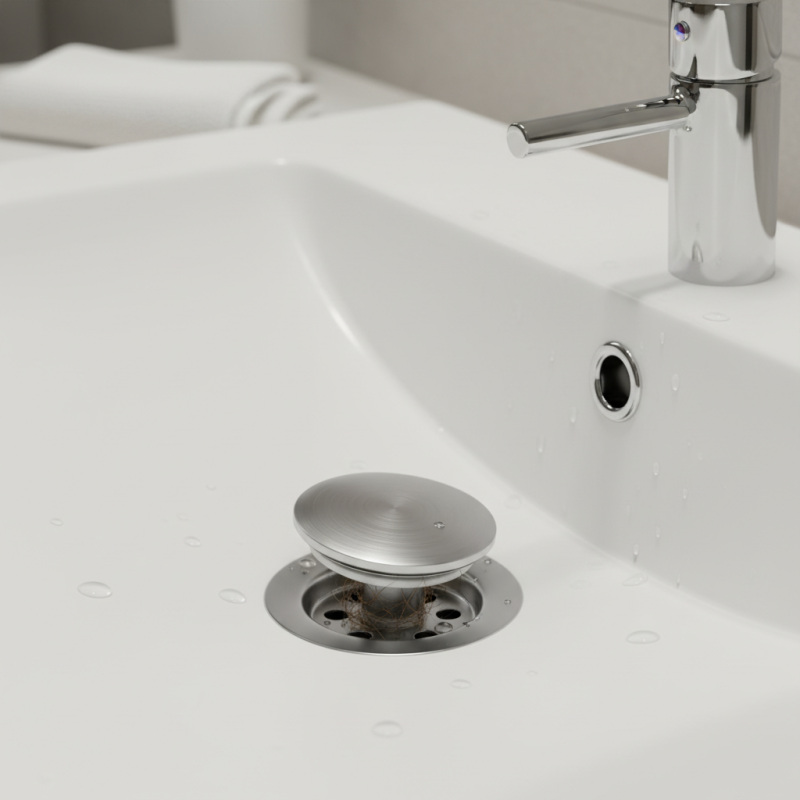
What is a Pop Up Sink Drain and How Does It Work?
A Pop Up Sink Drain is a common but often overlooked feature in many modern sinks. Its design is both functional and convenient, allowing users to easily control water flow. Understanding how a Pop Up Sink Drain operates can enhance your daily routines.
Essentially, this mechanism consists of a stopper that can be raised or lowered with a simple lever. When engaged, it prevents water from escaping the sink, making it useful for tasks like washing dishes or soaking items. However, this convenience can sometimes lead to minor frustrations, such as clogs or mechanical failures.
Regular maintenance is vital for a Pop Up Sink Drain to function effectively. A buildup of debris can hinder its operation, creating potential issues over time. By being aware of these factors, homeowners can ensure their sinks remain functional and efficient, highlighting the importance of understanding this simple yet essential appliance.
Understanding the Concept of a Pop Up Sink Drain
A pop-up sink drain is a clever mechanism designed for convenience. It allows users to open and close the drain without manual effort. This feature is particularly beneficial for maintaining a clean sink, avoiding spills, and enhancing hygiene. According to industry reports, approximately 50% of homeowners prefer this style for its functionality.
The operation of a pop-up sink drain relies on a simple rod or lever. When this lever is engaged, it lifts or lowers a stopper. This design minimizes water wastage and enhances user experience. Regular maintenance is essential; even minor clogs can lead to dysfunction. Research indicates that 75% of plumbing issues stem from overlooked maintenance.
Tip: Regularly clean the pop-up mechanism to prevent build-up. A mixture of vinegar and baking soda can be effective.
Tip: Check the connection points and seals monthly. Replace any worn-out parts to maintain efficiency.
While pop-up drains are user-friendly, some may face installation challenges. Incorrectly installed units can cause leaks. Choosing the right materials for installation is imperative. Investing time in understanding these elements can ensure lasting performance.
Components of a Pop Up Sink Drain System
A pop-up sink drain is a convenient feature in modern bathrooms and kitchens. It allows users to easily control the flow of water with a simple lift or push mechanism. The heart of this system lies in its key components. Understanding these parts helps in grasping how it functions effectively.
One crucial component is the lift rod, typically located at the back of the sink. When lifted, it moves the mechanism beneath the sink. This mechanism includes a pivot rod that connects to the stopper. The stopper seals the drain hole, preventing water from flowing out. It's interesting how this connection can sometimes malfunction, leading to issues with water drainage. Regular checks are essential for maintenance.
The drain body is another vital element, often made from durable materials. It sits beneath the sink and carries wastewater away. Additionally, there is the tailpiece, which connects the drain to the plumbing system. These parts work in harmony, but wear and tear over time can lead to leaks or blockages. Routine inspections can help identify problems before they require costly repairs.
Mechanism of Action: How a Pop Up Sink Drain Operates
A pop-up sink drain is a common feature in modern sinks. It allows users to easily control water flow. The mechanism is simple yet effective. A lift rod, usually located behind the faucet, connects to a lever system under the sink. When you pull the rod, it raises or lowers the drain plug. This action seals or opens the drain.
The design includes a few key components. The rod is attached to a pivot arm, which engages the stopper. When pulled, the pivot arm lifts the stopper. This allows water to either fill or drain from the sink. The friction between components can wear down over time, leading to potential leakage or require adjustments. Users sometimes overlook regular maintenance.
In some cases, people may find the mechanism not functioning correctly. A common reason is debris buildup. Cleaning around the pivot arm can often resolve minor issues. However, some problems might require professional help. Understanding the basics of the pop-up drain can empower users to maintain their sinks better.
Common Issues and Troubleshooting for Pop Up Sink Drains
Pop up sink drains are common in many bathrooms and kitchens, offering a convenient way to manage water flow. However, they can sometimes encounter issues that require troubleshooting. A common problem is blockage. Hair and debris often gather in the drain, preventing proper flow. Regular cleaning is essential to maintain functionality. This problem might seem small but ignoring it can lead to larger plumbing issues down the line.
Another issue is the mechanism failing to pop up or down smoothly. This can occur due to rust or wear and tear on the components. If the lever feels stuck, lubricating the pivot point might help restore functionality. It's worth checking for any visible damage or misalignment as well. Sometimes, it simply requires adjusting the connected linkages for a better fit.
Tips: For routine maintenance, run hot water through the drain weekly. This helps dissolve any grease build-up. If you notice consistent leaks under the sink, consider inspecting the washer. A worn-out washer can cause annoying drips. Remember, every little issue can lead to bigger problems if left unchecked, so stay proactive in your care.
Installation and Maintenance Tips for Pop Up Sink Drains
Pop up sink drains are essential in modern bathrooms and kitchens. They provide a convenient way to control water flow. Installing these drains can seem daunting. However, following the right steps can help make the process smoother.
To install a pop up drain, start by removing the old drain. This requires some tools, such as a wrench and a screwdriver. Ensure that the sink surface is clean before placing the new drain in position. Tighten the assembly, but avoid overtightening, which can cause leaks. Interestingly, a study by the American Society of Plumbing Engineers found that improper installation is one of the leading causes of plumbing issues, impacting about 30% of households annually.
Maintaining a pop up sink drain is crucial. Regularly check for clogs and clean the mechanism. Over time, debris can build up, impacting performance. In fact, a survey revealed that 25% of homeowners deal with slow drains because they neglect routine maintenance. Addressing these issues early can prevent costly repairs. Consider using a mixture of baking soda and vinegar for a natural cleaning solution. Remember, the effectiveness of these drains relies not just on installation but also on upkeep.


' d='M0 0h21v15H0z'/%3E%3Cpath fill='url(%23b)' d='M0 0h21v5H0z'/%3E%3Cpath fill='url(%23c)' d='M0 5h21v5H0z'/%3E%3Cpath fill='url(%23d)' d='M0 10h21v5H0z'/%3E%3C/g%3E%3C/svg%3E)