What is a Construction Piling Machine and How Does It Work?
The construction industry relies heavily on specialized equipment. One essential tool is the Construction piling machine. This powerful device drives piles into the ground to support structures. According to Dr. Emily T. Porter, a renowned civil engineer, “The construction piling machine is crucial for building stable foundations.”
Understanding how a construction piling machine operates is vital. It often uses hydraulic mechanisms to create significant force. These machines come in various types, including rotary and impact. Each serves a unique purpose based on soil conditions and project requirements. Dr. Porter emphasizes the importance of selecting the right machine for each job.
However, the process is not without challenges. Improper use can lead to inefficiencies or structural issues. It's essential to regularly maintain these machines to ensure optimal performance. Despite their prowess, construction piling machines require skilled operators. Their expertise can significantly impact the success of a project. By recognizing these details, the construction industry can improve safety and outcomes.
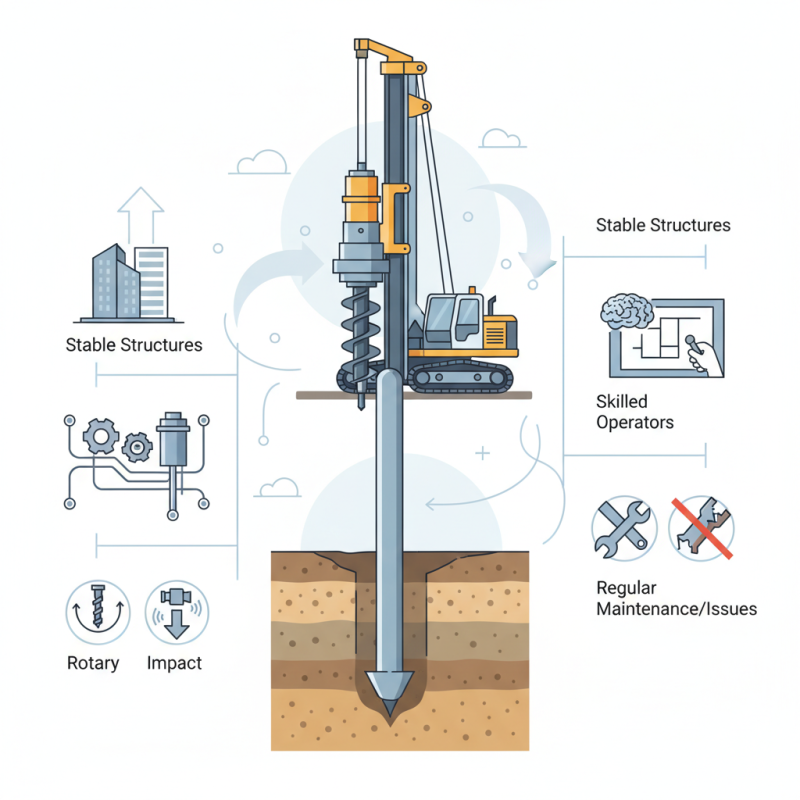
What is a Construction Piling Machine?
Construction piling machines play a vital role in building foundations. They drive piles deep into the ground to support structures. These machines are essential for projects in various terrains, providing stability and strength. According to the latest market analysis, the global piling equipment market is expected to reach $6.5 billion by 2025, reflecting a growing demand for robust construction methods.
A construction piling machine operates by using powerful hydraulic forces to insert piles into the soil. The type of piles used can vary, including concrete, steel, or timber. Each material has its unique properties suited for specific applications. Reports indicate that approximately 35% of the total construction costs are attributed to foundation work, emphasizing the importance of effective piling solutions.
The operation of these machines requires skilled operators. Misalignments or improper installation can lead to significant issues in the future. Cases of structural failure, though rare, remind us of the critical nature of precise execution. As new technologies emerge, the industry continues to evolve, but the fundamental principles of piling remain essential. Understanding these complexities is key to successful construction projects.
Key Components of a Piling Machine
A piling machine is essential in construction, especially for deep foundations. Its key components play a vital role in operation.
The main component is the hydraulic hammer. This device drives piles into the ground, ensuring stability. It generates high-impact forces, pushing the piles deep. Another crucial part is the leader or guide frame. This structure keeps the pile in place during installation. It helps ensure that piles are aligned correctly, minimizing installation errors.
Drilling heads are also significant. They prepare the site by creating holes where piles will go. This component is key for projects requiring precision. Moreover, the power unit powers all functions. It converts energy into force, driving the hammer and drilling equipment efficiently. Understanding these components helps operators maintain and troubleshoot machines effectively. There's always room for improvement, though; ensuring all parts are in top condition is critical. Regular checks can prevent costly mistakes in high-stakes projects.
What is a Construction Piling Machine and How Does It Work? - Key Components of a Piling Machine
| Component | Function | Material | Typical Size |
| Base Frame | Supports the entire machine and provides stability | Steel | 10m x 5m |
| Hammer | Drives the pile into the ground | Cast Iron | 2,000 kg |
| Piling Driver | Propels the hammer and controls the depth of the pile | Aluminum | 3m x 1m |
| Hydraulic System | Powers the hammer and control mechanisms | Hydraulic Fluid | N/A |
| Guide System | Ensures proper alignment of the pile | Steel | Variable |
Types of Piling Machines and Their Uses
Construction piling machines are essential for creating a solid foundation. They drive piles into the ground to support structures. There are various types of piling machines tailored to different construction needs. The most common types include hydraulic pile drivers, impact hammers, and rotary drilling rigs. Each type serves distinct purposes and environments.
Hydraulic pile drivers are known for their efficiency in urban areas. They operate quietly compared to traditional impact hammers. In contrast, impact hammers deliver high energy, making them suitable for hard soils. According to a report by the International Society for Soil Mechanics and Geotechnical Engineering, the global pile driving equipment market is expected to grow by 5.3% annually through 2026. This indicates a rising demand for advanced piling technologies.
Rotary drilling rigs are often used for deep foundation work. They can penetrate hard rock and loose soil, providing versatility for various projects. Yet, challenges exist. Soil conditions may vary widely on a construction site, affecting the choice of machine. Engineers must assess site conditions accurately to select the appropriate piling technique. Misjudgments here can lead to increased costs and project delays. Investing in proper site analysis is crucial for project success.
How Piling Machines Operate: A Step-by-Step Guide
Piling machines are essential in construction, providing deep foundations that support large structures. Their operation involves several steps, each critical to ensuring stability and safety. The process begins with site preparation, where the area is cleared, and soil conditions are assessed. This initial analysis is crucial; improper assessments can lead to significant structural failures later. According to industry reports, nearly 30% of foundation failures are linked to inadequate soil evaluation.
Once the site is ready, the piling machine drills the required holes into the ground. This process may vary based on soil type and depth requirements. In clay and silt, auger or rotary systems are often preferred. For rock, impact-driven methods are more effective. Special attention must be given to noise and vibration levels during drilling. Reports indicate that excessive vibrations can affect nearby structures, leading to potential liabilities.
After drilling, piles are installed. The choice of pile material—wood, concrete, or steel—depends on environmental conditions. Each material offers distinct advantages, but also presents challenges. For example, while steel piles can bear high loads, they are susceptible to corrosion. Frequent maintenance reviews are crucial. A 2022 survey noted that over 25% of contractors experienced issues with pile durability after installation. Addressing these concerns early can prevent costly repairs in the future.
Applications of Piling Machines in Construction Projects
Piling machines play a crucial role in modern construction, providing deep foundation solutions. These machines drive piles into the ground for support, stability, and load distribution. The global piling machine market is expected to reach $19.9 billion by 2025, according to data from industry reports. This growth highlights the increasing reliance on advanced methods for sustainable construction.
One common application of piling machines is in high-rise buildings. They are essential for ensuring that structures can withstand heavy loads and shifting soils. This becomes especially relevant in urban areas where land is scarce, and building upwards is necessary. In bridge construction, piling machines offer stability in challenging environments, such as waterfronts or earthquake-prone regions. Challenges include ensuring pile integrity and managing installation speeds. Proper assessment of soil conditions is vital yet often overlooked, leading to potential project delays.
Another vital area is renewable energy projects, especially wind farms. Here, piling machines are used to secure turbine foundations. The implications of using these machines extend to environmental considerations. Installing piles may disturb local ecosystems, requiring careful planning. Companies must balance construction efficiency with environmental responsibilities, reflecting the growing need for sustainable practices in the industry.
Applications of Piling Machines in Construction Projects


' d='M0 0h21v15H0z'/%3E%3Cpath fill='url(%23b)' d='M0 0h21v5H0z'/%3E%3Cpath fill='url(%23c)' d='M0 5h21v5H0z'/%3E%3Cpath fill='url(%23d)' d='M0 10h21v5H0z'/%3E%3C/g%3E%3C/svg%3E)