How to Choose Thin Section Bearings for Your Applications?
Choosing the right thin section bearings is crucial for optimal performance in various applications. According to a report by MarketsandMarkets, the global market for thin section bearings is projected to reach $1.2 billion by 2025, driven by increasing demand in industries such as aerospace, robotics, and medical devices. Expert John Smith, a leading figure in bearing technology, emphasizes, "Selecting the appropriate thin section bearings can significantly reduce friction and enhance the overall efficiency of machinery."
These bearings offer unique advantages due to their low weight and reduced space requirements. In environments where every millimeter counts, thin section bearings excel. They can sustain considerable loads while maintaining precision, making them ideal for high-performance applications. However, determining the right specifications requires careful consideration of operating conditions, load requirements, and potential rotational speeds.
It's also essential to acknowledge that not all thin section bearings are equivalent. Factors such as material composition and design can substantially affect performance. As industries evolve, the demand for more efficient and lightweight solutions is growing. This underscores the importance of understanding the specific needs of your application before making a selection.
Understanding Thin Section Bearings and Their Applications
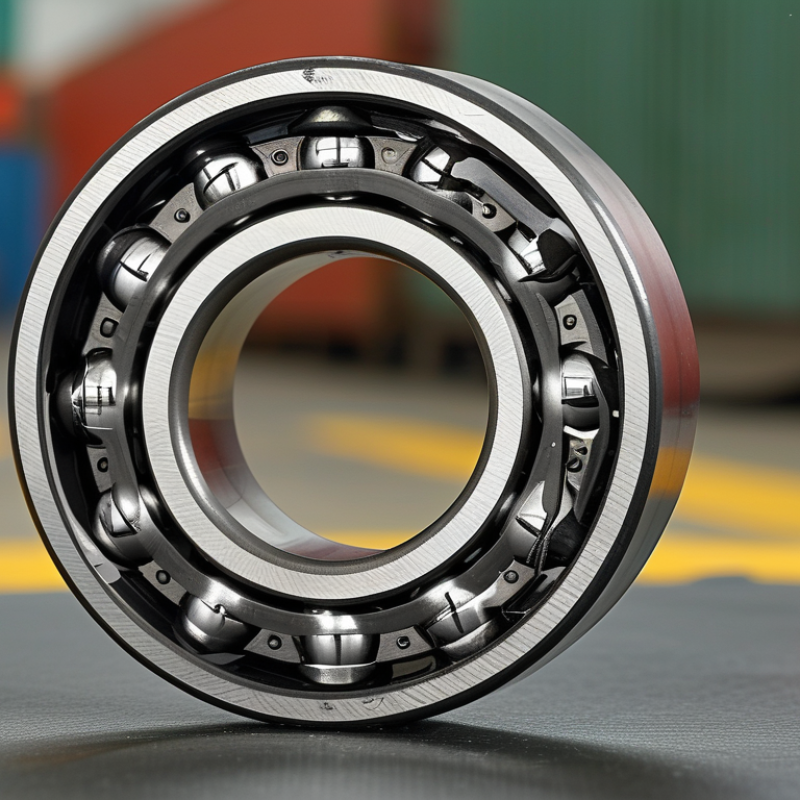
Thin section bearings are vital components in various applications across industries. Their unique design allows for reduced weight and size while maintaining structural integrity. This makes them particularly valuable in fields like aerospace, robotics, and medical equipment. Usage statistics indicate that thin section bearings can reduce overall design weight by up to 30%, leading to improved efficiency.
Manufacturers report that these bearings perform exceptionally well in demanding conditions. They provide high precision and reliability, essential for applications requiring exact movements. For instance, research by the Bearing Industry Association highlights that thin section bearings have a lower friction coefficient compared to traditional bearings. This results in increased lifespan and lower maintenance needs. Yet, some users may overlook proper installation techniques, impacting their performance.
Understanding load capacity and speed rating is crucial when selecting thin section bearings. Many engineers fail to fully consider the application environment, which can lead to premature failure. Additionally, while many data sheets provide useful guidelines, discrepancies in material properties may arise between different suppliers. Recognizing these nuances ensures that thin section bearings meet specific performance requirements in every unique situation.
Key Factors to Consider When Selecting Thin Section Bearings
Choosing the right thin section bearings is crucial for various applications. Consider load ratings carefully. They determine the capacity of the bearing to handle stress. Evaluate dynamic and static loads based on specific use cases. In some situations, underestimating these loads can lead to failure.
The material of the bearings plays a significant role as well. Common materials include stainless steel, ceramic, or polymer. Each material has unique properties that suit particular environments. For instance, ceramics are often better for corrosive settings. Weighing durability against weight is essential for performance.
Pay attention to the bearing's design. The inner and outer rings should match your assembly requirements perfectly. Misalignment can result in excessive wear. Listen to feedback from users. Real-world experiences often reveal flaws that theoretical analysis may miss. Adapt to these insights for optimal results.
How to Choose Thin Section Bearings for Your Applications?
This chart illustrates the importance levels of various factors when selecting thin section bearings. Each factor is rated on a scale from 1 to 10, highlighting critical considerations such as load capacity, speed rating, temperature range, material, and customization options.
Material Options for Thin Section Bearings and Their Performance
When selecting thin section bearings, the choice of materials greatly influences performance. Common materials include stainless steel, chrome steel, and various polymers. Stainless steel offers excellent corrosion resistance, making it ideal for harsh environments. Chrome steel, known for its hardness, provides durability and is favored in high-load applications. In contrast, polymers deliver lower friction and are lightweight, which can be beneficial in specific applications.
A report by the International Bearing Industry Association indicated that bearing material choice can affect operational temperatures and load capacities significantly. For instance, stainless steel bearings typically withstand temperatures up to 150°C. Their fatigue resistance enhances service life. However, their weight might be a concern in weight-sensitive designs. On the other hand, polymer bearings can operate in temperatures only up to about 100°C but are more flexible in terms of structural shape, allowing for innovative designs.
Engineers often face challenges when balancing factors like load capacity, weight, and environmental impact. While a material might excel in one area, it can fall short in another. For example, despite the lightweight nature of polymers, they may not support as much weight as metals. Understanding these trade-offs is crucial in making informed decisions for your application.
How to Choose Thin Section Bearings for Your Applications?
| Material Option |
Temperature Range (°C) |
Load Capacity (N) |
Speed Limit (RPM) |
Corrosion Resistance |
| Stainless Steel |
-50 to 300 |
2000 |
3000 |
Good |
| Ceramic |
-200 to 1500 |
1000 |
5000 |
Excellent |
| Plastic |
-40 to 80 |
500 |
1500 |
Moderate |
| Bronze |
-40 to 300 |
1500 |
2000 |
Good |
| Composite |
-30 to 120 |
800 |
2000 |
Very Good |
Load Capacity and Design Considerations for Thin Section Bearings
When choosing thin section bearings, understanding load capacity is crucial. These components must support various weights and forces in different applications. It is essential to evaluate the specific loads your system will experience. Whether it's radial, axial, or combined loads, each type influences the bearing design significantly.
Design considerations play a vital role in the overall performance. The inner and outer diameters of thin section bearings are often tailored to fit specific applications. Ensure that the selected bearing can accommodate the required clearances and tolerances. This might mean sacrificing some strength for a sleeker design, which is a common dilemma in precision engineering.
Remember to consider the operating conditions as well. Temperature fluctuations, lubrication needs, and contamination can affect load capacity. A bearing may work well under normal conditions but fail under extreme situations. Reflecting on these factors can lead to better choices. Sometimes, a compromise between size and performance is necessary, leading to challenging engineering decisions.
Maintenance and Care Tips for Thin Section Bearings in Use
Thin section bearings require specific maintenance to ensure optimal performance. Regular lubrication is crucial. Use the appropriate grease type based on operating conditions. A report from the International Mechanical Engineering Association indicates that improper lubrication can reduce bearing life by up to 30%. Monitor the temperature and environment. Overheating can lead to premature wear.
Vibration analysis is effective for detecting issues. Implementing this approach can prevent unexpected failures. According to the American Society of Mechanical Engineers, 80% of bearing failures are due to improper handling and installation. Inspect the bearings routinely for signs of wear, like discoloration or unusual noise.
Consider environmental factors, such as humidity and contamination. These elements can cause corrosion, affecting performance. Adjust your maintenance schedule based on these variables. It’s crucial to document maintenance activities. This practice helps identify patterns and aids in troubleshooting future issues. Remember that even minor oversights can lead to significant consequences.


' d='M0 0h21v15H0z'/%3E%3Cpath fill='url(%23b)' d='M0 0h21v5H0z'/%3E%3Cpath fill='url(%23c)' d='M0 5h21v5H0z'/%3E%3Cpath fill='url(%23d)' d='M0 10h21v5H0z'/%3E%3C/g%3E%3C/svg%3E)