How to Choose the Best Pouch Packing Line for Your Business?
Selecting the right Pouch Packing Line for your business can be a daunting task. The market offers a wide array of options that vary in features, specifications, and costs. Every business has unique needs. Therefore, understanding these needs is crucial in making an informed choice.
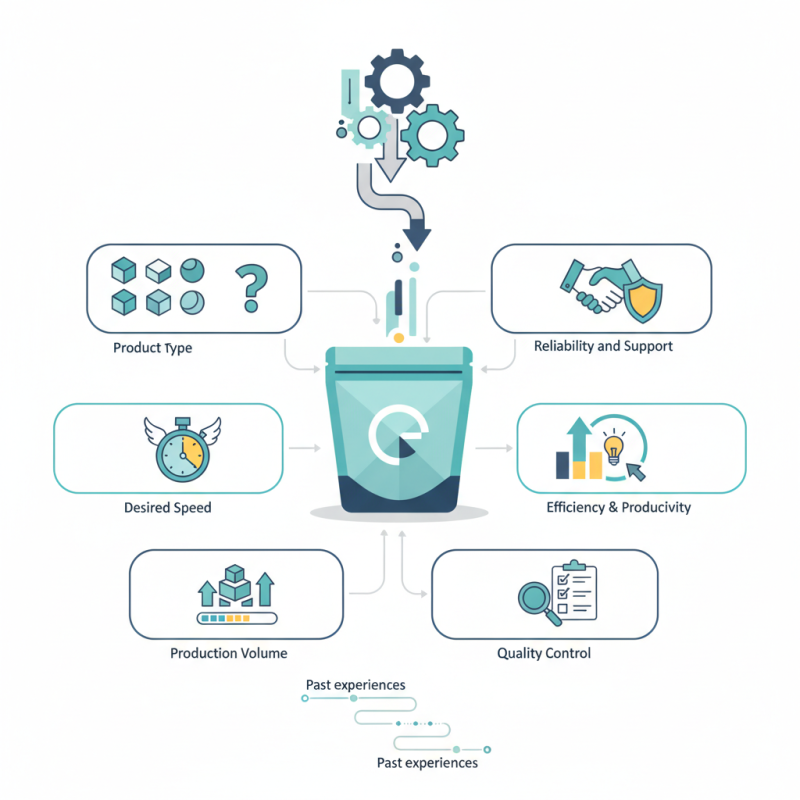
Experience is essential when evaluating different Pouch Packing Lines. Companies must consider factors like product type, production volume, and desired speed. A high-speed line might seem advantageous, but it could lead to complications if not paired with the right materials. Quality control must never be sacrificed for speed.
Reliability and support are critical elements too. Choose a supplier with a solid reputation. A good relationship with the supplier ensures that help is available when needed. Reflecting on past experiences can guide you in making decisions. Not every choice will be perfect, but learning from mistakes can lead to better outcomes. The right Pouch Packing Line can significantly enhance efficiency and productivity.
Identifying Your Packaging Needs for a Pouch Packing Line
Choosing the right pouch packing line requires a clear understanding of your packaging needs. The global flexible packaging market was valued at over $250 billion in 2020 and is expected to grow rapidly. Identifying specific requirements helps streamline operations. For example, consider the types of products you will package, from liquids to solids. Each requires a different approach and machinery.
Next, assess the production volume you anticipate. A survey conducted by Packaging World shows that 45% of businesses require lines capable of handling over 100 units per minute. This can influence your choice of machinery size and features. It’s essential to think about the future. Expanding product lines or increasing demand may require a flexible packing line that can adapt without needing a full replacement.
Finally, consider the sustainability aspect. Many consumers today prefer eco-friendly packaging. Research indicates that 55% of shoppers prioritize brands that use recycled materials. Assess the pouch styles that minimize environmental impact. Finding a balance between efficiency and eco-conscious options can be challenging but necessary as market demands evolve.
How to Choose the Best Pouch Packing Line for Your Business? - Identifying Your Packaging Needs for a Pouch Packing Line
| Dimension | Description | Importance Level |
| Product Type | Identifying the nature and requirements of the product to be packaged. | High |
| Pouch Material | Choosing between options like foil, plastic, or biodegradable materials based on product compatibility. | Medium |
| Production Speed | Assessing the desired output rate to ensure the machinery meets production demands. | High |
| Budget | Determining financial constraints to select an appropriate packing line solution. | High |
| Space Requirements | Evaluating the available factory floor space and machine footprint to ensure feasibility. | Medium |
| Ease of Operation | Considering the complexity of operation and necessary training for staff on the new line. | Medium |
| Maintenance Support | Availability of technical support and maintenance services to minimize downtime. | High |
Evaluating Different Types of Pouch Packing Machines
When evaluating pouch packing machines, understanding the different types available is crucial for effective selection. Vertical form-fill-seal (VFFS) machines are widely used. According to industry reports, around 70% of pouch packaging lines in the food sector utilize VFFS technology. This machine offers efficiency and versatility for various products, from snacks to powders. However, it may not be the best choice for every business.
Another option is horizontal form-fill-seal (HFFS) machines. These are ideal for products requiring high-speed packing and delicate handling. Studies show that HFFS machines often achieve packing speeds of up to 200 pouches per minute. Yet, they typically come with a higher initial investment and more complex maintenance needs. Evaluating your production requirements and product characteristics can reveal if HFFS is right for you.
Lastly, consider premade pouch filling machines. These machines are suitable for businesses focusing on specialty products or smaller batch sizes. Reports indicate that there is a growing demand for this type due to rising customization trends. Nonetheless, operating costs can be high compared to other machines, and efficiency drops significantly for larger volumes. Balancing these pros and cons is essential for making an informed decision.
Assessing Production Capacity and Efficiency Requirements
Choosing the right pouch packing line requires careful consideration of your production capacity and efficiency needs. A detailed assessment can prevent costly missteps in the future. Determine your current and anticipated output. Understand how many units you plan to produce daily. Align your machinery choices with these figures. If your projections aren't realistic, you might end up underutilizing or overburdening your equipment.
Efficiency is not just about speed. It involves maintaining high-quality standards while meeting production goals. Identify potential bottlenecks in your process. Assess how quickly your team can adapt to new technology. Sometimes, faster machines can lead to higher errors if not operated correctly. It is crucial to balance speed with quality assurance. Consider the entire workflow, from material handling to final output.
Investing in a packing line can be daunting. Take the time to weigh all operational aspects. Seek feedback from teams who will use the machinery. Their insights can reveal gaps in your planning. Reflect on your needs critically. A well-thought-out decision today can have lasting benefits for productivity and profitability. This reflection can help pinpoint areas for future growth.
Considering Budget and Cost-Effectiveness of Pouch Lines
When selecting a pouch packing line for your business, budget plays a crucial role. A well-defined budget helps narrow down options quickly. It’s essential to account for both initial costs and long-term expenses. Analyze the cost-effectiveness of each line. Sometimes, a lower-priced machine can lead to higher costs down the road.
Consider the features that align with your production needs. A machine should be versatile, accommodating different pouch sizes and types. Check the maintenance costs. Some machines require frequent repairs, impacting overall efficiency. It’s a delicate balance between upfront investment and future savings.
Another factor is the supplier’s support. Reliable manufacturers offer training and assistance. This can save you from costly mistakes. Reflect on the feedback from other businesses too. Their experiences may reveal aspects you haven't considered, like energy consumption or downtime. Use this information wisely to make an informed decision.
Researching Supplier Reputation and Customer Support Services
When selecting a pouch packing line for your business, evaluating supplier reputation and customer support services is essential. A strong reputation in the industry often reflects reliability and quality. Look for suppliers with positive customer reviews and case studies that highlight their successful installations. Engaging with existing customers can provide insight into their experiences and the long-term performance of the equipment.
Customer support services play a crucial role in maintaining operational efficiency. A supplier that offers comprehensive support can save you time and money. Inquire about availability for technical assistance, parts replacement, and training for your team. Quick response times indicate a commitment to service, which helps you avoid costly downtimes.
Tips: Always conduct thorough research. Speak with multiple suppliers and request detailed service agreements. Ensure that the warranty covers essential components. Don't overlook the importance of ongoing support as your production needs evolve. Understanding your supplier’s capability in adapting to your changing demands can make a significant difference. A well-supported packing line can enhance productivity and ensure consistent quality in your products.


' d='M0 0h21v15H0z'/%3E%3Cpath fill='url(%23b)' d='M0 0h21v5H0z'/%3E%3Cpath fill='url(%23c)' d='M0 5h21v5H0z'/%3E%3Cpath fill='url(%23d)' d='M0 10h21v5H0z'/%3E%3C/g%3E%3C/svg%3E)