How to Choose the Right Stainless Bar Grating for Your Needs?
Choosing the right Stainless Bar Grating is essential for various applications, from industrial to architectural uses. This material is praised for its durability and versatility. However, the selection process can be overwhelming due to numerous options available in the market.
Understanding your specific needs is crucial. Factors such as load capacity, spacing, and environmental conditions can significantly impact your choice. For example, a heavy-duty grating is necessary for areas that support heavy machinery. Conversely, lighter options may suffice for walkways or decorative purposes.
It's vital to consult with experts or conduct extensive research. Not all Stainless Bar Gratings are created equal. Different manufacturing processes and materials can lead to varying levels of quality. Being proactive in gathering information ensures you make an informed decision. While this process may seem tedious, it is key in avoiding potential mishaps. The right grating can enhance safety and functionality in your project.
Types of Stainless Bar Grating and Their Applications
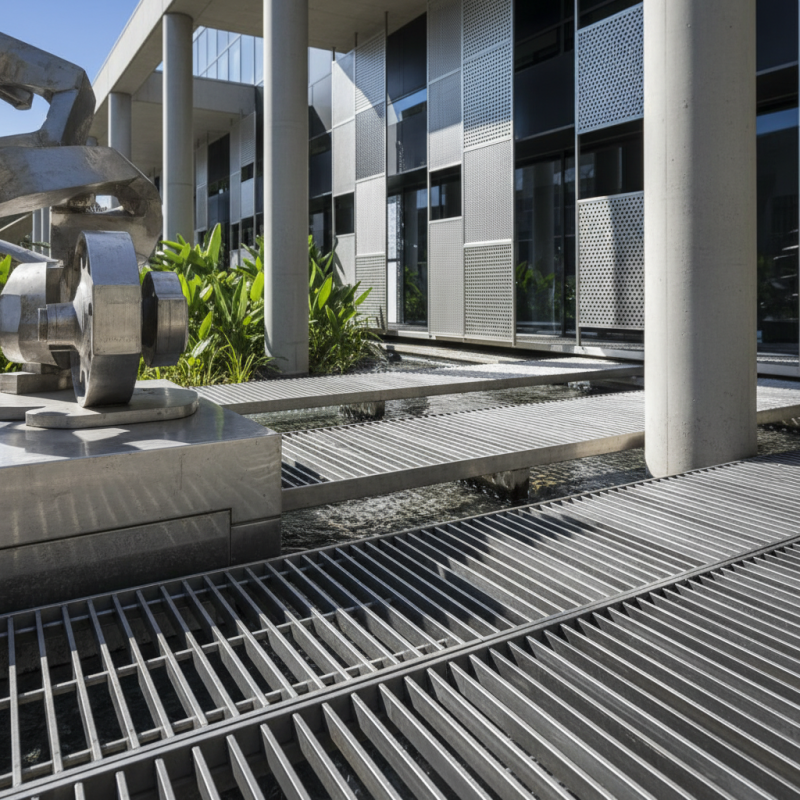
Stainless bar grating is a versatile choice for various applications. It is essential to understand the types available. Two primary types are welded and swaged grating. Welded grating consists of carbon or stainless steel bars welded together. It offers high strength and is often used in industrial settings. In contrast, swaged grating features bars inserted through a frame, creating a lighter structure. This type is ideal for applications requiring less weight, like walkways.
According to a recent industry report, the demand for stainless gratings is increasing. The construction sector heavily influences this trend. Approximately 70% of industrial applications utilize stainless steel for its resistance to corrosion and durability. For example, wastewater treatment plants often rely on this material due to its long lifespan and minimal maintenance needs.
In food processing environments, non-compliance with hygiene standards can lead to significant risks. Stainless bar grating provides a smooth surface that is easy to clean. However, an important aspect to consider is load capacity. Miscalculating this can lead to structural failure. Engineers often recommend consulting load tables provided by manufacturers to ensure safety. Proper selection depends on the specific requirements of each project.
How to Choose the Right Stainless Bar Grating for Your Needs?
| Type of Stainless Bar Grating | Applications | Load Capacity | Advantages |
| Standard Bar Grating | Walkways, platforms, and trenches | Light to medium loads | Corrosion-resistant, durable |
| Heavy-Duty Grating | Industrial flooring, heavy machinery areas | Heavy loads | Robust construction, high load capacity |
| Decorative Grating | Architectural features, outdoor patios | Light to medium loads | Aesthetic appeal, corrosion resistance |
| Heavy-Duty Slip-Resistant Grating | Wet areas, ramping, industrial walks | Heavy loads | Enhanced safety, traction, high durability |
| Expanded Metal Grating | Ventilation covers, screens | Varied load capacities | Lightweight, versatile, and efficient |
Factors to Consider When Selecting Stainless Bar Grating
Choosing the right stainless bar grating requires careful consideration of several factors. Material quality is paramount. Stainless steel offers durability and resistance to corrosion. Opting for a higher grade of steel, such as grade 304 or 316, can significantly impact longevity. So, understanding the environment where the grating will be used is essential. Will it face exposure to harsh chemicals or extreme weather?
Load capacity is another important factor. Evaluate how much weight the grating will need to support. Different applications may require varying load ratings. It's crucial to ensure that the grating can adequately handle the demands of its environment. A miscalculation could lead to safety issues or product failure.
Lastly, spacing between the bars is worth considering. This affects both safety and functionality. If the spaces are too wide, small objects may fall through. Meanwhile, narrow gaps might impede water drainage. Addressing these details can enhance the overall effectiveness of the grating. Picking the right option is not always straightforward, involving a balance of multiple factors.
Evaluating Load Capacity and Durability Requirements
Choosing the right stainless bar grating involves understanding load capacity and durability. Different applications require different strengths. For instance, heavy equipment needs grating that can support significant weight. If you’re placing it in a high-traffic area, durability is paramount. The right choice ensures safety and longevity.
Load capacity is determined by the spacing of the bars and their thickness. Closer bar spacing usually offers greater strength. However, this may lead to higher costs. It is crucial to think about factors like potential impacts and environmental conditions. Will it face harsh weather or chemicals? Knowing this helps in selecting the suitable material and finish.
Durability isn't just about strength. It's also about resistance to rust and corrosion. Stainless steel is advantageous, but not all grades perform equally. Evaluate if the chosen grating will withstand the specific conditions of your project. Testing options can sometimes reveal unforeseen weaknesses. Balancing cost and durability may require careful consideration. The aim is to find a grating solution that meets your needs while being cost-effective.
Understanding the Importance of Corrosion Resistance
Corrosion resistance is a crucial factor when selecting stainless bar grating. Many industrial applications face exposure to harsh environments. According to industry reports, nearly 30% of premature structural failures are due to corrosion. This reveals the importance of choosing materials that can withstand corrosive agents.
Stainless steel grating provides a barrier against oxidation, chemicals, and various environmental factors. A study found that 316 stainless steel offers superior resistance compared to 304 stainless steel, particularly in marine settings. In real terms, this means a product's lifespan can increase significantly, sometimes exceeding 25 years in coastal environments. Targeting the right grade based on exposure conditions can yield substantial cost savings over time.
However, the choice isn't always straightforward. Some users misunderstand the maintenance required for stainless grating. Regular inspections and cleanings can enhance longevity, but neglect can lead to unexpected deterioration. Balancing initial investment with long-term durability is essential for informed choices. Understanding these nuances ensures that users can make reliable selections that truly suit their needs.
How to Choose the Right Stainless Bar Grating for Your Needs?
This chart displays the importance of various factors when choosing stainless bar grating, focusing on corrosion resistance, load capacity, and maintenance ease.
Maintenance Tips for Prolonging the Life of Stainless Bar Grating
Maintaining stainless bar grating is crucial for its longevity. Regular cleaning is one of the simplest yet most effective practices. Removing debris promptly prevents corrosion and build-up. A simple rinse with water can remove light dirt. For tougher stains, a mild detergent may be necessary. Avoid harsh chemicals that could damage the surface.
Inspecting the grating periodically is essential. Look for signs of rust or damage. Addressing minor wear and tear early can prevent costly repairs. Proper drainage is also important. Ensure that water flows freely to avoid pooling, which can lead to corrosion.
Incorporate a maintenance schedule to track when cleaning and inspections are due. This helps in identifying patterns in wear and keeping the grating in optimal condition. Remember, neglecting maintenance can lead to premature deterioration. A proactive approach is always better than a reactive one. Regular checks reflect your attention to detail.


' d='M0 0h21v15H0z'/%3E%3Cpath fill='url(%23b)' d='M0 0h21v5H0z'/%3E%3Cpath fill='url(%23c)' d='M0 5h21v5H0z'/%3E%3Cpath fill='url(%23d)' d='M0 10h21v5H0z'/%3E%3C/g%3E%3C/svg%3E)