How to Choose the Right CNC Lathe Machine for Your Needs?
Selecting the right Cnc Lathe Machine can feel overwhelming. With so many options available, it’s crucial to understand your specific needs. Each machine has unique features. A comprehensive evaluation ensures you make the right investment.
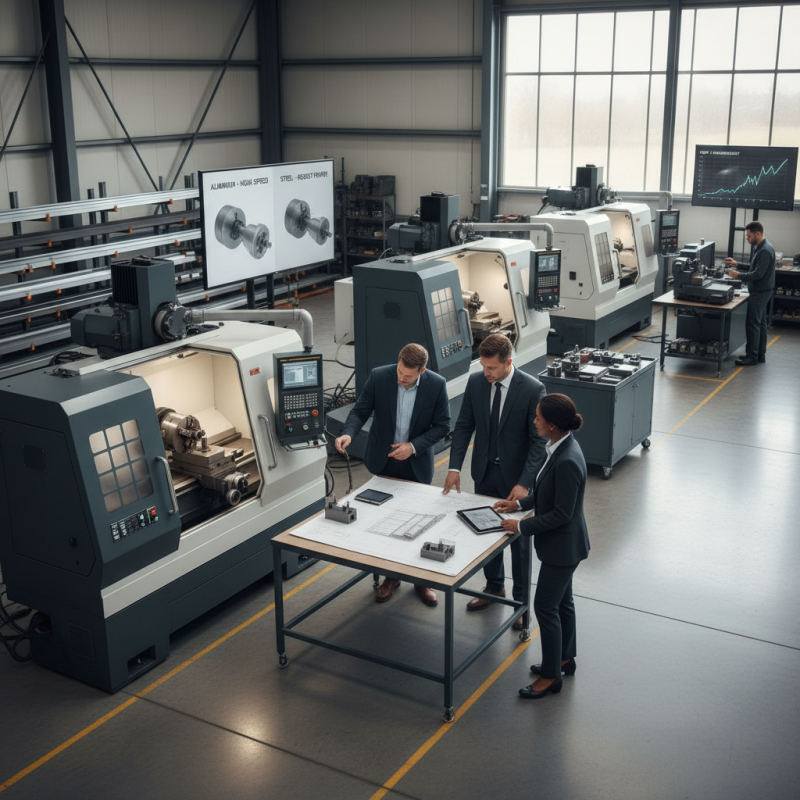
Consider the projects you will undertake. Different materials require different capabilities. For example, aluminum may need a high-speed machine, while steel requires robust power. Choosing an inferior model could lead to inefficiencies.
Budget is another critical factor. High-end machines offer advanced features but may exceed limited budgets. Balancing cost and functionality is vital. Occasionally, compromising on certain features could lead to future upgrades. This choice might cause regret later. Reflect on your priorities. Think long-term to avoid pitfalls.
Understanding CNC Lathe Machines and Their Applications
CNC lathe machines are essential in modern manufacturing. They are versatile tools for precise metal and woodwork. The growing trend in CNC technology, with a market expected to reach $5 billion by 2025, reflects their importance in various sectors. Applications range from automotive parts to medical devices. Understanding your specific needs is vital before investing in a machine.
Tips: Assess the materials you will work with. Different CNC lathes excel at various tasks. Some machines handle hard metals better than others. Think about the volume of production too. High-volume needs may demand more advanced features.
While many manufacturers tout high precision, it is crucial to evaluate the real-life performance. Some users report that initial calibration can be challenging. Others find certain settings less intuitive than they hoped. It’s a learning curve. The more you work with different machines, the clearer your preferences will become. Make informed decisions based on these insights.
Choosing the Right CNC Lathe Machine Based on Application
Factors to Consider When Choosing a CNC Lathe Machine
Choosing the right CNC lathe machine requires attention to several key factors. One essential aspect is the size and capacity of the machine. It must match your intended projects. For example, if you are working with larger materials, you need a lathe with a longer bed and greater swing. According to a recent industry report, machines with a swing capacity greater than 12 inches have become increasingly popular for such applications.
Another critical consideration is the CNC control system. The user interface should be intuitive and match your skill level. Beginners may struggle with complex software, while experienced operators might seek advanced features like multi-axis controls. A survey revealed that 70% of operators prefer user-friendly controls to reduce the learning curve.
Moreover, the machine's build quality and components play a significant role in performance. The spindle speed and torque ratings should align with your project needs. If you often switch between materials, variable speed capability is a plus. However, issues with vibration and noise can arise. It's important to assess your workspace's sound tolerance. Selecting the right CNC lathe machine can be complicated, but these factors can aid in making an informed decision.
Evaluating Specifications: Size, Power, and Accuracy
When choosing a CNC lathe machine, evaluating specifications is crucial. Size is an important factor. Ensure the machine fits your workspace. A compact design might be ideal for smaller shops. On the other hand, larger lathes offer more versatility but require more space. Think carefully about your shop’s layout before making a decision.
Power is another key element. Machines with higher power can handle tougher materials. They typically feature greater torque and speed. Look for specifications that match the types of projects you handle. However, don’t overlook the possibility of power fluctuations. Sometimes, less power is enough for your needs.
Tip: Always assess your projects first. What materials do you use most? This can guide your choice.
Accuracy cannot be ignored. Precision is vital in machining. Pay attention to tolerance levels specified in the lathe. You want a machine that can consistently produce high-quality parts. But remember, a highly accurate machine might come with a steeper learning curve. Don’t hesitate to ask for training or support as needed.
Tip: Test the machine before committing. This can reveal any potential shortcomings. Trust your own judgment based on hands-on experience. Each project may demand different specifications, so stay flexible in your approach.
Assessing Software Compatibility and Ease of Use
Choosing the right CNC lathe machine involves considering many factors, especially software compatibility. The software you choose plays a crucial role in machine operation. A user-friendly interface streamlines workflows and minimizes errors. If the software is complex, it will hinder productivity.
It’s also essential to assess how well the software integrates with other systems. Some machines may excel in performance but lack compatible software. This can lead to frustration and lost time. Sometimes, manufacturers might overlook this aspect. Testing software compatibility before purchasing is advised.
Finally, ease of use cannot be stressed enough. Training staff should be straightforward. Complicated interfaces can lead to mistakes. In some cases, simpler software can produce better results. Seek feedback from current users to gauge their experiences. This often reveals both strengths and shortcomings you may not have considered.
Budgeting for Your CNC Lathe Machine Investment
When considering the purchase of a CNC lathe machine, budgeting is crucial. A quality machine is a significant investment. Prices can vary widely based on features and capabilities. Typically, lower-end machines start at a few thousand dollars, while advanced models can cost tens of thousands. Identify your budget early to guide your choices.
Tips: Create a detailed budget. Include costs for maintenance and tools. Don't forget software needs, as they can add to overall expenses. Reserve some funds for unexpected repairs.
Explore financing options if needed. Many dealers offer financing plans. This can spread out the cost over time. However, it's essential to ensure that monthly payments fit comfortably within your budget. Be wary of overspending on features you may not use.
Consider whether you need a brand new machine or a quality used one. Used machines can save money, but they might lack software or require repairs. Review options thoroughly. Reflect on what truly meets your needs without stretching your budget. Aim for balance rather than excess.


' d='M0 0h21v15H0z'/%3E%3Cpath fill='url(%23b)' d='M0 0h21v5H0z'/%3E%3Cpath fill='url(%23c)' d='M0 5h21v5H0z'/%3E%3Cpath fill='url(%23d)' d='M0 10h21v5H0z'/%3E%3C/g%3E%3C/svg%3E)