Why Choose an Automatic Transfer Switch for Your Power Needs?
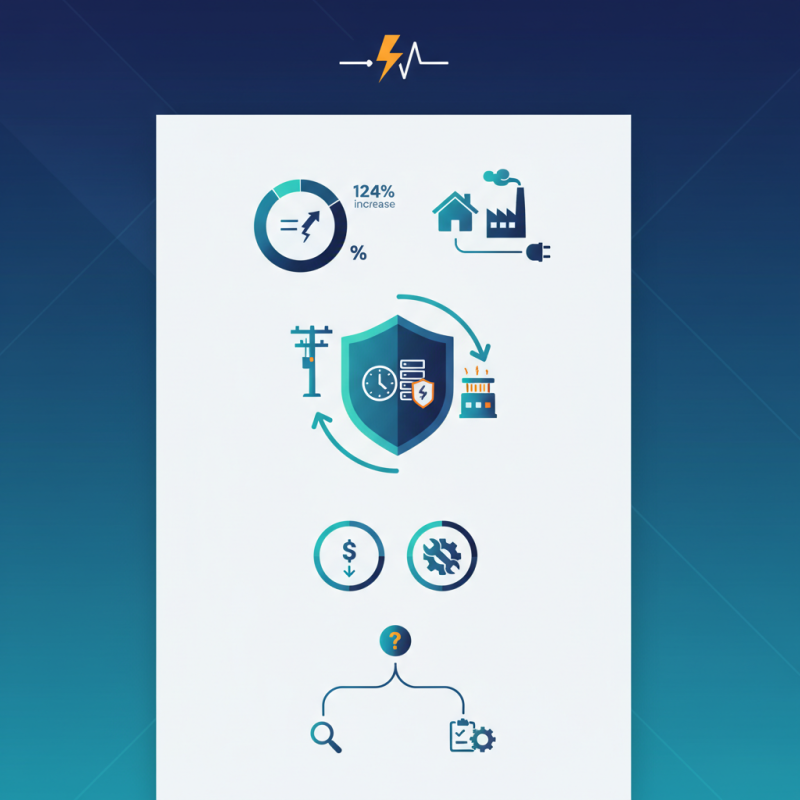
In today's world, reliable power supply is essential. An Automatic Transfer Switch (ATS) ensures continuous electricity during outages. According to the U.S. Energy Information Administration, power outages have increased by 124% over the last decade. Businesses and homeowners have become more dependent on uninterrupted power.
An ATS monitors the electrical supply and automatically switches to a backup source. This minimizes downtime and protects sensitive equipment. The National Fire Protection Association reports that power interruptions can lead to significant financial losses and safety hazards. Implementing an ATS may seem costly initially but can save money in the long run.
While an ATS offers many benefits, not all systems are created equal. Understanding specific power needs is crucial to selecting the right model. Regular maintenance is also necessary to ensure reliability. Investment in an ATS warrants careful planning and thoughtful consideration.
Understanding the Functionality of Automatic Transfer Switches
Automatic Transfer Switches (ATS) play a crucial role in ensuring a reliable power supply. They automatically switch the load to an alternative power source during a power outage. According to the U.S. Department of Energy, reliable power systems can reduce downtime by 30-50%. This statistic underlines the importance of having ATS in both residential and commercial settings.
An ATS functions by monitoring the main power source and the backup generator. Once it detects a failure, it initiates the switch within seconds. For instance, studies show that modern ATS can complete the transfer in as little as 30 seconds. This rapid response minimizes disruption, especially for sensitive environments like hospitals and data centers. However, the installation process can be complex, requiring skilled technicians to navigate local codes and safety regulations.
Despite their benefits, some challenges exist. Not all facilities have the infrastructure for a complete ATS setup, leading to inconsistent performance. Maintenance is essential for ATS systems to function correctly. Neglecting regular checks can lead to failures, compromising power reliability. Understanding and addressing these issues is vital for anyone considering an ATS for their power needs.
Key Benefits of Using an Automatic Transfer Switch for Power Solutions
An Automatic Transfer Switch (ATS) is vital for reliable power management. It automatically transfers the load to a backup power source during an outage. This is especially crucial for critical infrastructure. According to the U.S. Department of Energy, around 5,000 outages occur each day, affecting millions. An ATS minimizes downtime and ensures continuous operation.
One key benefit of an ATS is its ability to enhance safety. Manual switching during an outage can lead to hazardous situations. An ATS eliminates human error, reducing risks. The National Fire Protection Association highlights that facilities with automatic systems have 40% fewer electrical accidents. This underscores the importance of reliable equipment in maintaining a safe environment.
Additionally, maintenance is simpler with an ATS. Regular testing can be automated, ensuring the backup system is always ready. However, the initial investment can be significant. It’s important to evaluate the long-term savings. Energy consumption data indicates that systems with an ATS can enhance overall efficiency by up to 30%. It's worth considering both short-term costs and long-term benefits. Transitioning to an ATS may involve challenges, but the potential gains in reliability and safety are substantial.
How Automatic Transfer Switches Enhance Energy Reliability and Safety
Automatic transfer switches (ATS) play a vital role in enhancing energy reliability and safety. These devices automatically switch the power source from the main grid to a backup generator during outages. This seamless transition minimizes downtime and ensures critical systems remain operational, making ATS essential for hospitals, data centers, and other critical infrastructure.
When power disruptions occur, safety is of utmost concern. Automatic transfer switches are designed to reduce human error, preventing unsafe manual operations during emergencies. They monitor the utility supply continuously, initiating the transfer process as soon as a fault is detected. Imagine a hospital where every second counts. An ATS can empower medical professionals to focus on patient care without worrying about power failures.
However, it's crucial to recognize that not all ATS solutions are foolproof. Installation must be handled by qualified professionals to prevent potential installation errors. Regular maintenance is necessary to ensure optimal performance. Neglecting these aspects can lead to significant risks, such as delayed power restoration or equipment damage. Being aware of these factors can guide users to make informed decisions when integrating an automatic transfer switch into their power management systems.
Why Choose an Automatic Transfer Switch for Your Power Needs? - How Automatic Transfer Switches Enhance Energy Reliability and Safety
| Feature | Description | Benefits |
| Automatic Operation | Switches power sources automatically during outages | Reduces downtime and ensures continuous power supply |
| Enhanced Safety | Minimizes the risk of electrical hazards | Protects equipment and personnel |
| Integration with Generators | Seamlessly works with backup generators | Provides an immediate backup power solution |
| User-Friendly Technology | Easy to operate and monitor | Convenient for both residential and commercial use |
| Maintenance Alerts | Provides notifications for necessary maintenance | Ensures optimal performance and reliability |
Comparing Automatic Transfer Switches to Manual Transfer Switches
Automatic transfer switches (ATS) play a vital role in power management. They automatically switch between the main power source and backup generators. This function ensures continuous power supply during outages. In comparison, manual transfer switches (MTS) require human intervention. Users must physically switch the power source when the need arises. This delay can lead to risks and potential data loss.
Choosing an ATS means minimizing downtime. For businesses, every second counts when power is lost. An ATS can detect outages quickly and respond without the need for manual operation. This advantage is crucial for critical operations, such as healthcare and data centers. Manual switches, on the other hand, introduce human error. Mistakes may happen, especially in high-pressure situations.
Tips: When considering an ATS, evaluate your specific power needs. A professional assessment can help in selecting the right size and type. Regular maintenance is essential to ensure reliability. Neglecting this aspect could lead to unexpected failures. Remember that preparedness sets apart a well-managed facility from one at risk.
Factors to Consider When Choosing an Automatic Transfer Switch
An Automatic Transfer Switch (ATS) is essential for maintaining power reliability. When selecting an ATS, several crucial factors must be considered to ensure optimal performance and safety. One major aspect is the power rating. The National Electrical Manufacturers Association (NEMA) emphasizes that the ATS must match your generator’s output to prevent overloads. Always assess your specific power needs. Different applications, such as residential versus commercial, will require varying capacities.
The switch's transfer speed is another vital consideration. Reports indicate that critical systems require a transfer speed of less than 10 seconds to maintain operations during outages. Failure to meet this standard can lead to significant operational disruptions. Additionally, consider the environment where the ATS will be installed. For outdoor installations, ensure it is rated for weather resistance.
Tips: Regular maintenance is key. Schedule routine checks to ensure your ATS functions correctly. Stay informed about advancements in ATS technology to enhance performance. Lastly, evaluate manufacturer certifications and compliance with standards. This ensures reliability and adherence to safety protocols.


' d='M0 0h21v15H0z'/%3E%3Cpath fill='url(%23b)' d='M0 0h21v5H0z'/%3E%3Cpath fill='url(%23c)' d='M0 5h21v5H0z'/%3E%3Cpath fill='url(%23d)' d='M0 10h21v5H0z'/%3E%3C/g%3E%3C/svg%3E)