Top Benefits of Using Shrinking Bags for Packaging Solutions?
In today’s fast-paced market, packaging plays a crucial role in product presentation and protection. Shrinking Bags have emerged as a popular solution for many businesses. These bags offer a snug fit around products, enhancing their visual appeal while ensuring security during transport. They are versatile and can be used for various items, from food to electronics.
Using shrinking bags provides numerous benefits. They protect products from moisture, dust, and tampering. A well-packaged item can attract customers and increase sales. However, not all shrinking bags are created equal. Companies must choose high-quality materials to ensure reliability. Poor packaging could lead to product damage, reflecting negatively on the brand.
As businesses strive for efficiency, shrinking bags offer an option that combines cost-effectiveness with aesthetic appeal. While they are beneficial, companies should also consider their environmental impact. Choosing biodegradable materials could address growing consumer concerns about sustainability. It’s essential to balance packaging needs with environmental responsibility for future success.
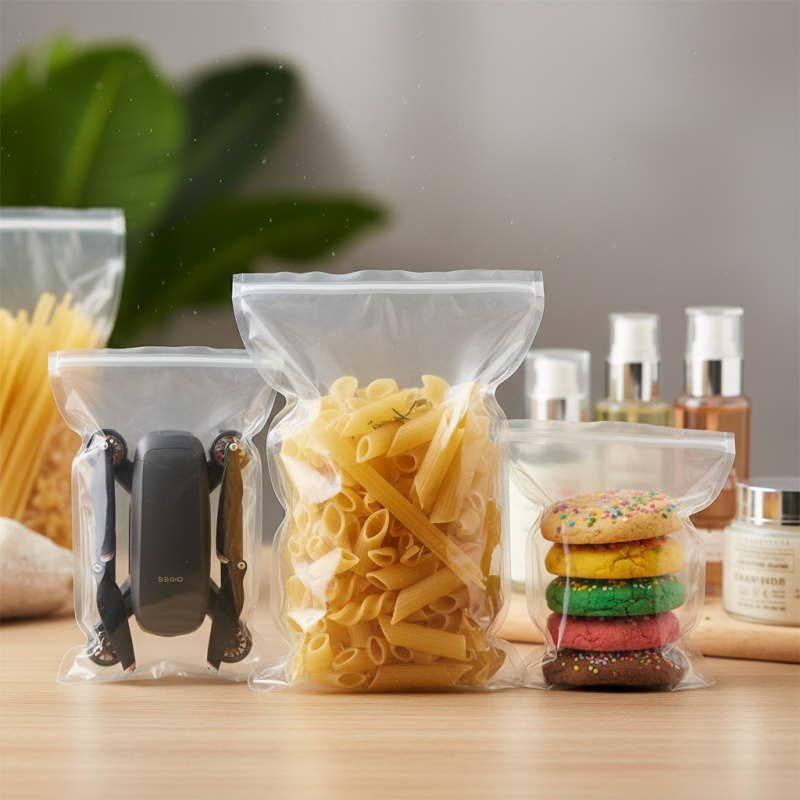
Key Features of Shrinking Bags for Effective Packaging
Shrink bagsare becoming increasingly popular in packaging solutions due to their unique features. One key aspect is their ability to contour tightly around products. This provides excellent protection against damage during shipping and storage. The snug fit minimizes movement and reduces the risk of breakage. By creating a second skin, Shrink Bags ensure that the packaged items remainsecure.
Another essential feature is the versatility of shrink bags. They can accommodate various shapes and sizes. From food items to electronics, shrink bags adapt easily. This flexibility allows businesses to streamline their packaging processes. However, some users may find it challenging to achieve the perfect shrink. Proper heating techniques are crucial. If the temperature is too low, the bags may not adhere properly, leading to inadequate protection.
Shrink bags also enhance product presentation. They offer a clear view of the items inside, making them visually appealing. However, users must consider the environmental impact of plastic shrink bags. As sustainability becomes a priority, it’s vital to explore recyclable options. Addressing these concerns can lead to more responsible packaging solutions that benefit both businesses and the environment.
Enhanced Protection Against Environmental Factors
Using shrinking bags as packaging solutions offers significant advantages, especially in terms of enhanced protection against environmental factors. These bags are designed to form a tight seal around products, preventing moisture, dust, and contaminants from affecting their quality. According to a report by the Flexible Packaging Association, 40% of products damaged during shipping suffer from environmental exposure. Shrinking bags can reduce these losses significantly.
Moreover, the ability of shrinking bags to withstand temperature fluctuations is crucial. Products often travel through various climates, facing potential damage from heat or cold. Data from the Packaging Machinery Manufacturers Institute indicates that proper packaging can improve product shelf life by up to 30%. This is essential for businesses looking to maintain product integrity over time.
When using shrinking bags, consider the thickness and type of film used. Thicker films offer better resistance to punctures and tears. Additionally, ensure that the bags are sealed correctly; improper sealing can compromise product safety. Experiment with different sizes to find the most efficient fit for your items. Always test packaging solutions under real shipping conditions to identify any weaknesses.
Cost-Effective Solutions for Various Packaging Needs
Shrink bags are a popular choice for cost-effective packaging solutions. They provide excellent protection for various products while minimizing material usage. Using shrink bags can help businesses save on packaging costs. These bags can fit snugly around items, reducing wasted space.
The simplicity of shrink bags lies in their application. Users can quickly seal and shrink the bags using heat. This reduces labor costs, as fewer employees may be needed for packing. Additionally, shrink bags often require less storage space. They can be stored flat before use, making them easy to manage in warehouses.
Some challenges exist with shrink bags. Not all products are compatible with shrink wrapping, especially irregularly shaped items. Businesses may need to evaluate their packaging needs carefully. However, with proper planning and execution, shrink bags can offer reliable solutions for many industries.
Versatile Applications Across Different Industries
Shrinking bags have become essential in various industries, showcasing their versatility. The global shrink film market is projected to reach $7.28 billion by 2025, highlighting the growing demand for effective packaging solutions. These bags excel in providing protective barriers against moisture, dust, and other contaminants. In food packaging, they help extend shelf life, ensuring freshness and safety while minimizing waste.
In the retail sector, shrinking bags facilitate customized packaging. This flexibility allows brands to present products appealingly. According to a recent study, 70% of consumers are influenced by packaging design. Shrinking bags also enhance product visibility, making them a favorite among marketers. They can adapt to various shapes and sizes, catering to diverse product needs.
However, it is vital to reflect on the material's environmental impact. While shrinking bags offer many advantages, their disposal can pose challenges. The industry is increasingly exploring biodegradable options to reduce waste. Balancing effective packaging with eco-friendliness remains a pressing concern. As businesses strive for innovation, the journey toward sustainable shrinking bag solutions continues to evolve.
Top Benefits of Using Shrinking Bags for Packaging Solutions
The bar chart above illustrates the top benefits of using shrinking bags for packaging solutions. As represented, the key advantages include cost efficiency, durability, versatility, protection, and lightweight properties, making them a preferred choice across multiple industries.
Eco-Friendly Options for Sustainable Packaging Practices
Shrink bags are becoming an essential choice for eco-friendly packaging. These bags are made from materials that can minimize environmental impact. They reduce excess waste through their efficient design. By using shrinking technology, businesses can use less plastic while protecting their products. This not only preserves the item but also promotes sustainability.
Opting for shrinking bags fosters a greener future. Many of these bags are recyclable or made from renewable sources. However, the industry's transition to eco-friendly options isn't flawless. Some shrink bags may still contribute to pollution if not disposed of properly. It's crucial for businesses to educate consumers about responsible disposal methods. Packaging must be both practical and sustainable.
Adopting shrinking bags means committing to better practices. The emphasis should be on reducing carbon footprints while ensuring product safety. Companies must reflect on their choices and strive for improvement. The journey to sustainable packaging is ongoing, but shrinking bags can be a key player in this transformation.
Top Benefits of Using Shrinking Bags for Packaging Solutions - Eco-Friendly Options for Sustainable Packaging Practices
| Benefit | Description | Sustainability Impact |
| Space Efficiency | Shrinking bags minimize packaging volume, allowing for more efficient storage and transport. | Reduced carbon footprint due to lower transportation emissions. |
| Lightweight | Being lightweight helps decrease shipping costs and energy consumption. | Less energy used in transport leads to lower environmental impact. |
| Protection | Offers excellent protection against moisture, dust, and contaminants. | Extends product life, reducing waste and encouraging sustainable consumption. |
| Customizability | Available in various sizes and styles to fit diverse packaging needs. | Encourages resource efficiency by using right-sized packaging. |
| Cost-Effectiveness | Cost savings through reduced material use and transportation expenses. | Lower material costs support sustainable business practices. |
| Recyclability | Many shrinking bags are made from recyclable materials, promoting a circular economy. | Encourages recycling initiatives, reducing landfill waste. |


' d='M0 0h21v15H0z'/%3E%3Cpath fill='url(%23b)' d='M0 0h21v5H0z'/%3E%3Cpath fill='url(%23c)' d='M0 5h21v5H0z'/%3E%3Cpath fill='url(%23d)' d='M0 10h21v5H0z'/%3E%3C/g%3E%3C/svg%3E)