Top Benefits of Using Tin Cans for Food Packaging?
Tin Cans have been a staple in food packaging for decades. Their popularity is not without reason. This packaging method offers numerous advantages. For one, tin cans provide excellent protection for food products. They prevent spoilage and extend shelf life. Many consumers appreciate this feature. The durability of tin cans also adds value. They can withstand rough handling during transportation.
Moreover, the recycling aspect is noteworthy. Tin cans are recyclable, promoting sustainability. As environmental concerns grow, this feature becomes increasingly important. However, challenges still exist. Not every facility is equipped to recycle effectively. People must be aware of their local recycling guidelines.
Quality control is another critical factor. Manufacturers must ensure the integrity of tin cans. Flaws in design or production can lead to compromised food safety. The industry needs to maintain high standards. Ultimately, tin cans continue to be relevant in food packaging. They embody a blend of functionality and responsibility. The journey of refining their use is ongoing.
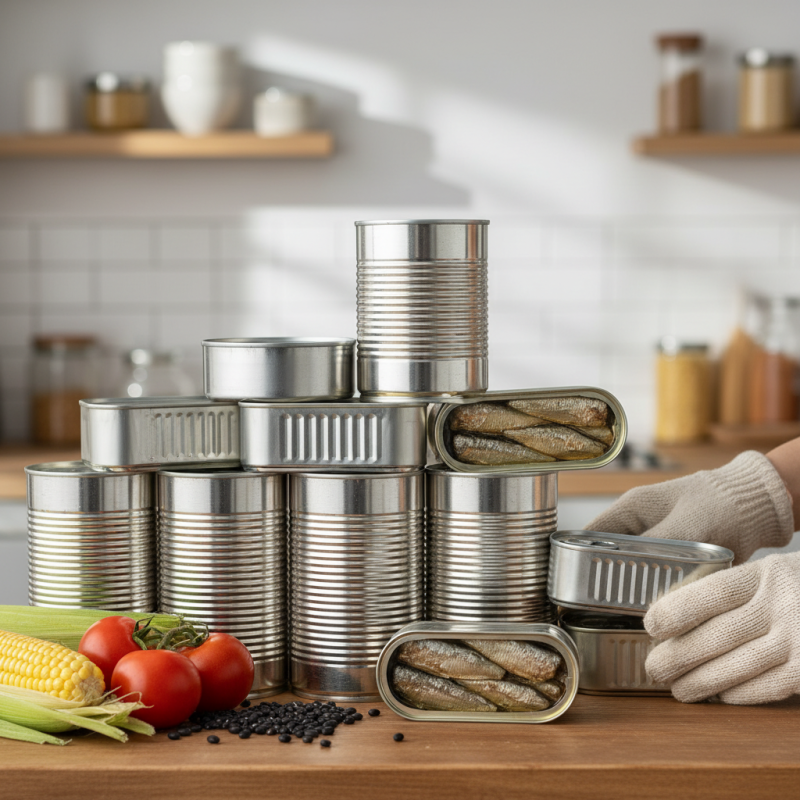
Advantages of Tin Cans for Food Preservation and Shelf Life
Tin cans are increasingly recognized for their advantages in food preservation and extending shelf life. Research indicates that canned foods can last an impressive 1 to 5 years on shelves, depending on the contents. Unlike other packaging, tin cans provide a hermetic seal that prevents the entry of air and moisture. This seal is critical in preserving the nutritional value of food. In fact, studies show that canned vegetables maintain 85% of their original nutrients compared to fresh produce.
Another noteworthy point is the role of tin cans in reducing food waste. According to a report by the Food and Agriculture Organization, around one-third of food produced globally is wasted. With proper canning, however, significant amounts of produce remain edible well past their typical harvest window. Additionally, tin’s ability to resist corrosion plays a major role in maintaining food integrity over time. This is essential for both commercial and home use, highlighting the reliability of tin cans in food management strategies.
Still, it’s important to address challenges in canned food storage. While tin cans provide long shelf lives, improper storage can lead to rust or dents, potentially compromising safety. Regularly checking for signs of damage can help maintain the quality and safety of canned food. While tin cans offer numerous benefits, it’s essential for consumers to be aware of storage practices to maximize their potential.
Top Benefits of Using Tin Cans for Food Packaging
| Benefit | Description | Impact on Shelf Life |
| Durability | Tin cans are strong and resistant to impacts, preventing damage to the food inside. | Extends shelf life by protecting contents from spoilage due to physical damage. |
| Airtight Seal | The sealing process ensures no air enters the can, preventing oxidation. | Increases shelf life by preventing the growth of bacteria and spoilage. |
| Light Protection | Tin cans block light, which can degrade food quality. | Helps retain nutritional value and flavor over a longer period. |
| Recyclability | Tin cans are easily recyclable, contributing to environmental sustainability. | Encourages sustainable consumption, indirectly supporting longer product life cycles. |
| Versatility | Suitable for a wide range of food products, from liquids to solids. | Facilitates the preservation of diverse food types, contributing to longer availability of products. |
Environmental Benefits of Using Tin Cans in Food Packaging
Tin cans are a leading choice in food packaging, especially for environmental sustainability. According to a 2022 report by the Food and Agriculture Organization (FAO), metal packaging has the longest recycling life among various materials. Recycled tin cans reduce greenhouse gas emissions by up to 70%. This significant reduction showcases how tin packaging supports climate goals.
In addition to their recyclability, tin cans are made from materials that are often sourced sustainably. The European Metal Packaging Alliance noted that over 80% of tin can materials come from post-consumer recycling in Europe. This figure reflects a strong commitment to a circular economy. It emphasizes the reduced need for new raw materials. However, the industry faces challenges. Not all recycling systems are equally effective globally, leading to disparities in collection rates.
Moreover, tin cans offer excellent product preservation. Their airtight seal helps extend food shelf life, minimizing food waste. The USDA estimates that food waste accounts for 31% of the total food supply, which poses both environmental and economic challenges. By utilizing tin cans, businesses can contribute to reducing this waste. Nonetheless, the reliance on packaging can create short-term waste issues if not managed properly. Addressing these concerns is critical as the industry evolves.
Cost-Effectiveness of Tin Can Production and Distribution
Tin cans have become a staple in the food industry, particularly due to their cost-effective production and distribution methods. A study from the Metal Packaging Europe indicates that tin can manufacturing costs have decreased significantly over the past decade. This has primarily been driven by advancements in technology and efficient supply chains. Moreover, tin cans are lightweight, which reduces transportation costs. According to the International Organization of Metal Packaging, transporting tin cans can lower fuel consumption by up to 30%.
The sustainability factor also plays a crucial role in cost-effectiveness. A report from the Institute of Scrap Recycling Industries highlights that over 70% of tin packaging is recyclable. This not only reduces waste but also lowers overall production costs. The recycling process for tin is less energy-intensive compared to producing new cans from raw materials. As companies increasingly prioritize sustainability, using recycled materials in production helps them stay competitive in pricing.
However, it is essential to reflect on potential downsides. While tin can manufacturing is efficient, reliance on global supply chains can create vulnerabilities. Economic disruptions can lead to price volatility, affecting overall cost-effectiveness. Additionally, consumers are becoming more aware of packaging waste, pushing companies to consider alternatives. Balancing cost, sustainability, and consumer preferences will be vital for the future of tin can usage in food packaging.
Cost-Effectiveness of Tin Can Production and Distribution
Safety and Health Considerations of Tin Can Food Packaging
When considering food packaging, safety and health are paramount. Tin cans offer unique advantages. They are designed to protect food from contamination and spoilage. The airtight seal prevents bacteria and pathogens from entering. This reduces foodborne illnesses, making tins a reliable choice for preservation.
Tips: Always check the expiration date. Even tin cans can spoil if left for too long. Store them in a cool, dry place to ensure maximum shelf life.
In addition, tin cans are lined with protective coatings. These coatings prevent metal from leaching into the food. This means less risk of heavy metals entering your diet. However, not all coatings are created equal. Some may contain harmful chemicals. It’s wise to research the safety of the materials used.
Tips: Be cautious with damaged cans. If a can is dented or rusted, discard it. Signs of damage can indicate that the food inside is compromised. Always prioritize your health over saving a few dollars.
Versatility of Tin Cans in Different Food Products and Recipes
Tin cans are a versatile choice for food packaging, adaptable to various products and recipes. Studies reveal that more than 65% of consumers prefer canned goods for their long shelf life and convenience. This is particularly advantageous for soups, stews, and sauces. Cans maintain the freshness of ingredients while preventing spoilage. They can hold a variety of food items, from fruits to vegetables and also ready-to-eat meals.
Using tin cans can also elevate the presentation of certain dishes. For example, layered meals in round canisters can create an appealing visual effect. When presenting dishes, consider using different sizes of cans for diverse portion control. This enhances both aesthetics and portion management in culinary offerings.
Tip: Always choose cans with BPA-free linings. This practice ensures food safety while allowing for a longer shelf life.
Moreover, food packaging research suggests that the recycling process for tin cans is efficient. Approximately 70% of cans are recycled. This promotes sustainability, allowing for less environmental impact and reducing waste.
Tip: Store opened cans in glass containers to keep food fresh longer. Avoid leaving food in opened cans, as this can lead to spoilage.


' d='M0 0h21v15H0z'/%3E%3Cpath fill='url(%23b)' d='M0 0h21v5H0z'/%3E%3Cpath fill='url(%23c)' d='M0 5h21v5H0z'/%3E%3Cpath fill='url(%23d)' d='M0 10h21v5H0z'/%3E%3C/g%3E%3C/svg%3E)