Top 10 Benefits of Solenoid Valves in Irrigation Systems?
In modern agriculture, efficient water management is crucial. One key component driving this efficiency is the Solenoid Valve In Irrigation Systems. These devices enable automated control of water flow, allowing for precise irrigation schedules. By ensuring water is delivered only when necessary, they help conserve valuable resources.
The reliability of solenoid valves in irrigation systems cannot be overstated. They reduce human error, making irrigation more consistent. However, it’s essential to monitor their performance regularly. Issues such as clogging or malfunction can disrupt water supply. Addressing these challenges brings improvements, highlighting the need for regular maintenance and careful selection of equipment.
Moreover, the benefits extend beyond just efficiency. Using solenoid valves can lead to cost savings and increased crop yield. Farmers can optimize their irrigation practices, adapting to changing weather conditions and specific crop needs. Yet, some may overlook the integration of these valves, missing opportunities for better resource management. Re-evaluating existing systems can uncover potential enhancements.
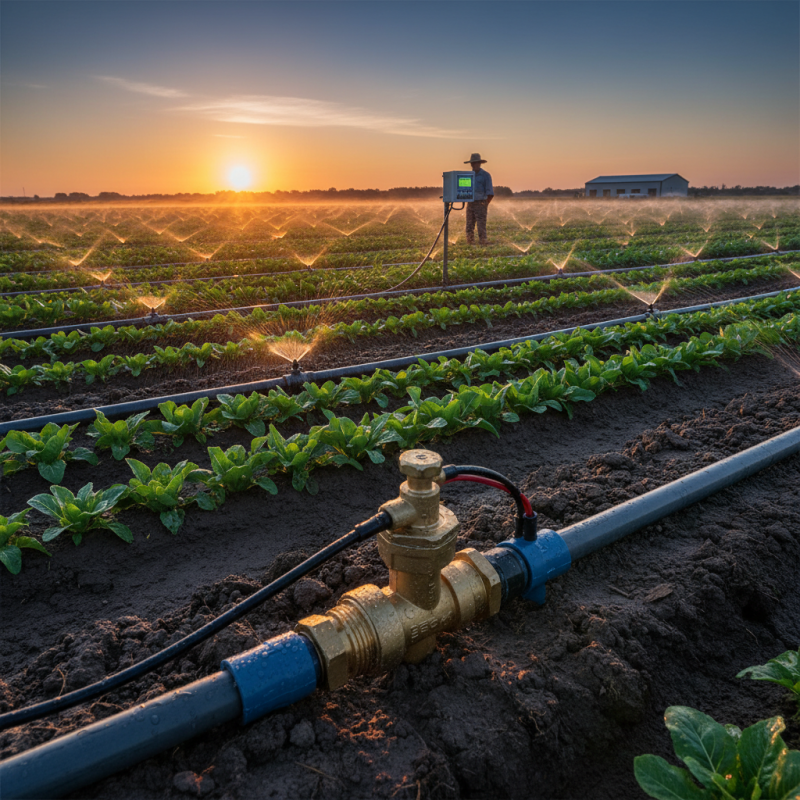
Benefits of Solenoid Valves in Automated Irrigation Management
Solenoid valves play a crucial role in automated irrigation management by offering precise control over water flow. In recent years, studies have shown that these valves can increase water efficiency in agricultural practices by up to 30%. This increase not only conserves water but also boosts crop yields. Automated systems allow for real-time monitoring, taking into account factors such as humidity and soil moisture levels.
Tips: Regular maintenance of solenoid valves is essential for optimal performance. Check for leaks or clogs that might disrupt the system. A small problem can lead to larger issues down the road.
Energy efficiency is another benefit, as solenoid valves eliminate the need for manual operation. They operate on low voltage, leading to reduced energy costs. However, it's important to select the right valve for your system’s specifications. Misaligned valves can create pressure issues, causing inefficient watering.
Tips: Always match valve specifications to your pump’s capacity. This can prevent unnecessary wear and prolonged downtime. Keep records of valve performance to identify potential problems early on.
Enhancing Water Conservation through Precision Control with Solenoid Valves
Solenoid valves revolutionize irrigation systems. They provide precise control over water flow, minimizing waste. According to industry reports, efficient water management can save up to 30% of water usage in agriculture. This efficiency is crucial, especially in drought-prone areas. With advanced technology, solenoid valves enable automatic activation, ensuring irrigation occurs only when necessary.
The precision control offered by solenoid valves leads to significant water conservation. The ability to regulate flow allows for targeted watering of crops. A research study indicated that crops can receive up to 90% of their required water with such systems. However, setting these systems up can be complex. Proper calibration is essential to avoid overwatering or underwatering.
Moreover, regular maintenance is vital to keep solenoid valves functioning optimally. Neglecting this can lead to increased water usage and system failures. While these valves offer numerous benefits, careful planning and monitoring are necessary to achieve the best results. Investing in solenoid technology can yield impressive water savings, but it requires commitment and knowledge.
Improving Crop Yield and Health with Efficient Irrigation Solutions
Irrigation systems play a critical role in enhancing crop yield and health. Solenoid valves are essential components in these systems. By ensuring precise control over water flow, they minimize water wastage. According to the USDA, efficient irrigation can increase crop yield by up to 30%. This is significant for farmers seeking to maximize their harvests.
Implementing solenoid valves is a smart move. They allow for remote operation, saving time and labor costs. This technology gives farmers the ability to manage irrigation schedules more effectively. However, improper installation can lead to leaks, wasting water and reducing efficiency. Regular maintenance is necessary to avoid such issues.
Tips: Consider using a timer with your solenoid valves. This ensures water is delivered when needed, aligning with plant needs. Regularly check for clogs or damage in your irrigation lines. Addressing these concerns can prevent problems before they escalate. Remember, an efficient system is not just about technology; it's about how well you manage it.
Reducing Labor Costs: Automation Efficiency of Solenoid Valves
The automation efficiency of solenoid valves in irrigation systems significantly reduces labor costs. According to a recent study, automated systems can cut labor expenses by as much as 30%. This is a crucial advantage for farms looking to optimize resources. By minimizing the need for manual adjustments and constant monitoring, solenoid valves allow operators to focus on more strategic tasks.
Additionally, solenoid valves enhance water management efficiency. They provide precise control over water flow. This can lead to water savings of approximately 20%. Data indicates that smart irrigation can reduce overwatering and promote better crop health. However, the initial investment in automated irrigation systems can be daunting for smaller operations.
Not all installations go smoothly. Some users report challenges with integrating solenoid valves into existing systems. Regular maintenance is essential to ensure reliability and longevity. Therefore, while the promise of reduced labor costs is enticing, careful planning and ongoing attention are necessary to fully realize these benefits. It's worth considering both the potential savings and the barriers to successful implementation.
Top 10 Benefits of Solenoid Valves in Irrigation Systems
| Benefit | Description | Impact on Labor Costs | Automation Level |
| Increased Efficiency | Solenoid valves allow for precise control of water flow, enhancing system efficiency. | Reduces the need for manual operation and monitoring. | High |
| Labor Savings | Automation of irrigation processes reduces the workforce requirement. | Lowers costs associated with manual labor. | High |
| Remote Control | Allows for remote operation and monitoring through smart systems. | Minimizes the need for on-site presence. | Very High |
| Reduced Wastage | Efficient water delivery minimizes wastage and over-irrigation. | Decreases costs related to excess water use. | High |
| Consistent Watering | Ensures uniform watering across all areas, promoting healthy growth. | Less time needed for adjustments and monitoring. | Moderate |
| Integration with Smart Technology | Can be integrated with smart sensors and controllers for enhanced performance. | Minimizes manual task interactions. | Very High |
| Easy Maintenance | Solenoid valves require less maintenance compared to traditional valves. | Reduces labor costs associated with system upkeep. | High |
| Safety Features | Automatic shut-off mechanisms minimize risk of flooding. | Less manual intervention means safer operations. | Moderate |
| Scalability | Systems can easily be expanded to cover more areas without extensive changes. | Facilitates growth without significant extra labor costs. | High |
| Cost-Effective | Long-term savings due to lower water use and reduced labor costs. | Overall reduction in operational expenses. | High |
Long-term Durability and Maintenance Savings in Irrigation Systems
Solenoid valves are essential in modern irrigation systems. They provide excellent control over water flow, ensuring uniform distribution. This feature minimizes overwatering and allows for precise irrigation management. Users often overlook their long-term durability. With proper maintenance, these valves can last many years.
Routine checks are vital to ensure optimal performance. Neglecting maintenance can lead to issues, such as leaks or malfunctions. However, a simple inspection can prevent costly repairs. The durability of solenoid valves translates to significant savings over time. While upfront costs are a concern, the longevity they offer offsets this investment.
Choosing a quality solenoid valve is crucial. Not every valve will perform the same. Some may fail sooner than expected. Users should be aware of this when selecting valves for their systems. A sound knowledge of the product will lead to a more efficient irrigation setup. It’s a wise choice for anyone serious about sustainable water management.


' d='M0 0h21v15H0z'/%3E%3Cpath fill='url(%23b)' d='M0 0h21v5H0z'/%3E%3Cpath fill='url(%23c)' d='M0 5h21v5H0z'/%3E%3Cpath fill='url(%23d)' d='M0 10h21v5H0z'/%3E%3C/g%3E%3C/svg%3E)