2026 Top Stainless Steel Bearings What You Need to Know?
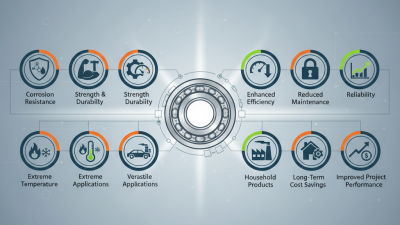
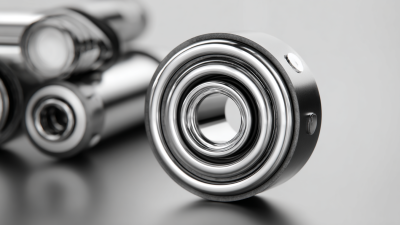
In the world of industrial applications, stainless steel bearings play a crucial role. These components provide durability and resistance to corrosion, making them ideal for various environments. Their usage spans across multiple fields, from automotive to aerospace, and even in home appliances. Understanding their features and benefits is essential for making informed choices.
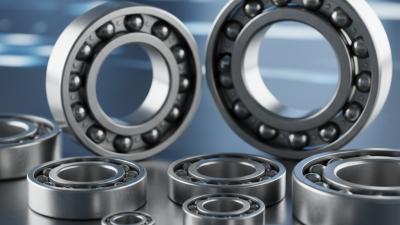
Stainless steel bearings come in various sizes and designs. The selection depends on specific requirements like load capacity and speed. An appropriate choice can enhance performance and lifespan. However, some users may overlook critical factors such as lubrication and maintenance, which are vital for optimal functionality.
As we approach 2026, innovations in stainless steel bearings continue to emerge. New materials and advanced manufacturing processes promise to improve performance further. It’s important to stay updated on trends and consider how they might influence your projects. Reflecting on past experiences can guide better decisions moving forward.
Understanding Stainless Steel Bearings: An Overview
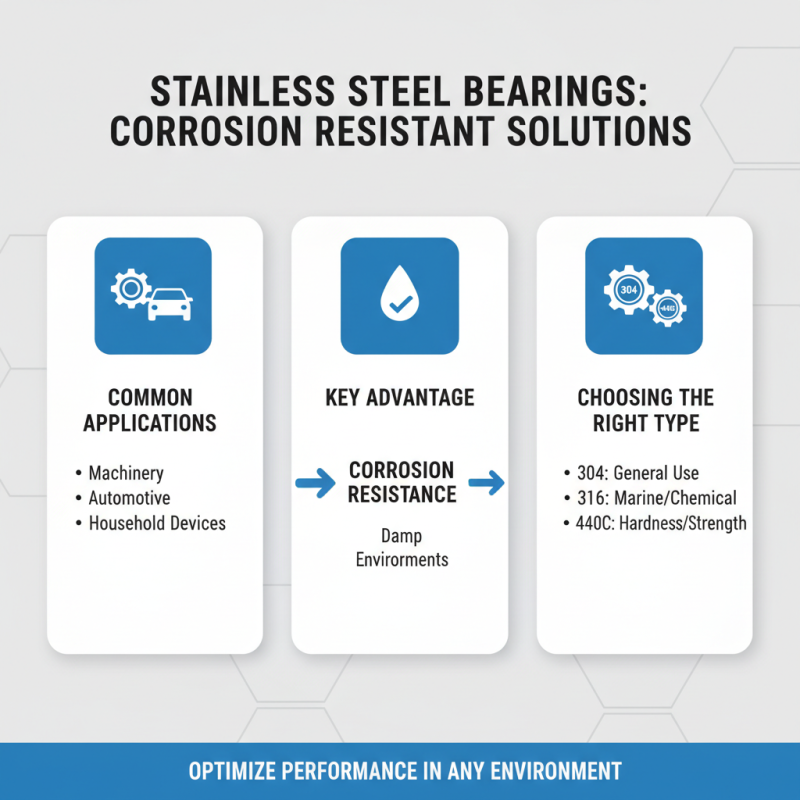
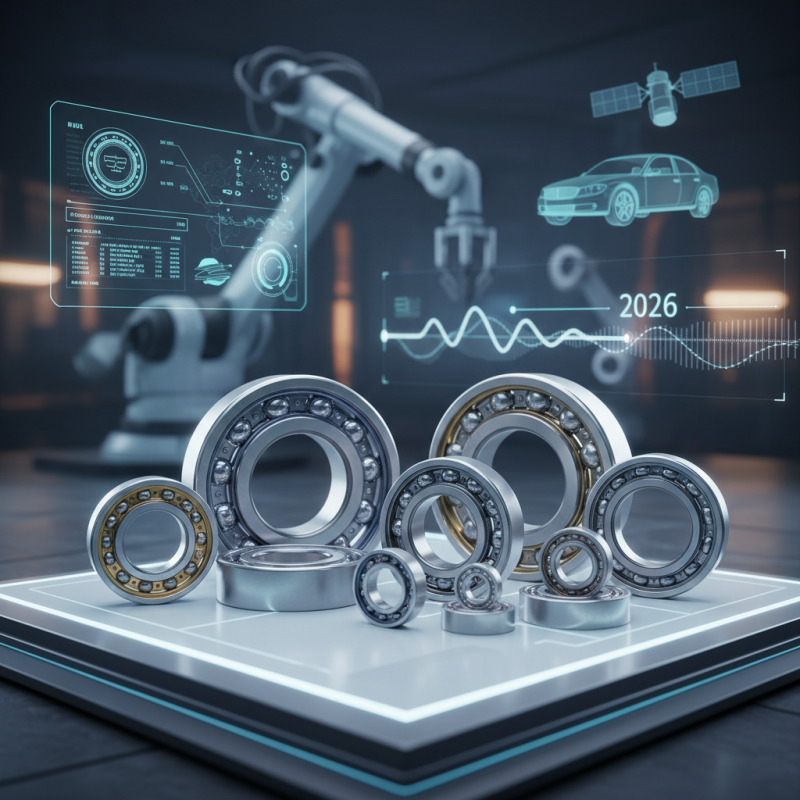
Stainless steel bearings play a crucial role in many applications. They are commonly used in machinery, automotive, and household devices. Their resistance to corrosion makes them particularly effective in damp environments. However, understanding the various types of stainless steel can help in choosing the right one for your needs.
There are different grades of stainless steel used in bearings. Some grades offer better strength, while others prioritize corrosion resistance. For example, 440C stainless steel has high hardness but may be less resistant to rust compared to 316 stainless steel. It's a trade-off that needs careful consideration. Users often overlook these details, leading to premature failure.
Additionally, installation errors can compromise performance. Misalignments can create excess friction, causing wear and tear. Regular maintenance and checks are essential. While stainless steel bearings are durable, neglecting them can result in costly downtime. It's important to reflect on your current practices and see where improvements can be made.
Key Features of Top Stainless Steel Bearings in 2026
In 2026, stainless steel bearings are becoming increasingly vital in various industries. They offer superior corrosion resistance and durability. Key features that stand out include high load capacity and reduced friction. According to recent industry reports, 80% of manufacturers prefer stainless steel bearings for their reliability and performance.
Stainless steel's resistance to rust ensures longevity even in harsh environments. It is particularly beneficial in applications involving moisture, such as marine and food industries. However, the manufacturing process can sometimes lead to inconsistencies. Inspecting tolerances is crucial to ensure quality. Regular testing can prevent failures.
Tips: Always check material specifications. Look for bearings with a clear certification. This can save time and costs in the long run. Ensure that lubrication methods are compatible with your application. In some cases, improper lubrication can lead to premature wear.
In 2026, the demand for stainless steel bearings is forecasted to grow by 10% annually. This growth calls for updated knowledge about innovations in bearing design. Continuous improvement in materials and processes may lead to better performance. Yet, challenges remain in balancing cost and quality.
Applications of Stainless Steel Bearings Across Industries
Stainless steel bearings play a crucial role in various industries. Their resistance to corrosion makes them ideal for harsh environments. These bearings are commonly found in automotive, aerospace, and manufacturing applications. In the automotive sector, stainless steel bearings ensure smooth wheel rotation. They minimize friction and enhance vehicle performance.
The food and beverage industry also relies heavily on stainless steel bearings. They meet hygiene standards, which is critical for food processing. Additionally, these bearings can withstand high-pressure washing. This feature makes them suitable for cleaning processes. However, not all stainless steel bearings perform equally under different conditions. Temperature fluctuations can lead to unexpected issues.
In the medical sector, precision matters. Stainless steel bearings are used in surgical equipment and devices. Their reliability is paramount for patient safety. Even a small failure can have serious consequences. Maintaining regular checks and monitoring their performance is essential. This approach helps ensure that the bearings function effectively. In conclusion, stainless steel bearings are essential across multiple fields. They provide both function and longevity, though regular maintenance is key.
Applications of Stainless Steel Bearings Across Industries (2026)
Factors to Consider When Choosing Stainless Steel Bearings
Choosing the right stainless steel bearings can seem overwhelming. Several factors should guide your decision. Consider the load capacity. Different applications demand varied strength levels. If the bearings can't handle the load, failures occur.
Lubrication is another key factor. Some bearings require specific lubricants to function properly. Mistakes in lubrication can lead to overheating or wear. Always check requirements for your bearings.
Tips: Assess your specific needs before selecting bearings. Understand your application conditions. If unsure, consult with an expert. Reliability is crucial. Regular maintenance is vital for longevity. Avoid neglect; it can lead to costly replacements.
Future Trends in Stainless Steel Bearing Technology
In the realm of stainless steel bearing technology, future trends promise exciting developments. Innovations focus on enhancing durability and performance. For instance, advanced surface treatments can significantly reduce wear and friction. This leads to longer lifespan and better efficiency in various applications.
Tips: Always check the material properties when choosing bearings. Stainless steel can vary in quality. Selecting the right grade is crucial to performance.
The integration of smart technology in bearings is gaining traction. Sensors embedded in bearings monitor conditions in real-time. This provides valuable data that enhances predictive maintenance. Users can avoid unexpected downtimes with timely interventions. However, implementing such technologies requires careful consideration of compatibility and cost.
Tips: Don’t overlook the importance of proper lubrication. Excessive or insufficient lubrication can lead to failure. Regular maintenance checks can prevent costly mistakes.


' d='M0 0h21v15H0z'/%3E%3Cpath fill='url(%23b)' d='M0 0h21v5H0z'/%3E%3Cpath fill='url(%23c)' d='M0 5h21v5H0z'/%3E%3Cpath fill='url(%23d)' d='M0 10h21v5H0z'/%3E%3C/g%3E%3C/svg%3E)