2026 Best Ball Transfer Units for Global Buyers?
Choosing the right ball transfer unit in 2026 requires more than comparing prices or advertised load ratings. Global buyers must examine load direction, surface condition, operating temperature, corrosion exposure, and installation accuracy. A unit supporting a smooth steel crate may struggle under a rough pallet or uneven container base.
Material-handling engineer David J. Haines explains, “A ball transfer earns its value when movement remains predictable, not merely easy.” This principle matters across warehouses, airport systems, fabrication lines, and packaging operations. Reliable movement depends on the complete assembly, including the main ball, support rollers, housing, mounting plate, and spacing pattern.
Small details can create large problems.
A buyer should confirm whether the rated capacity applies to one unit or a working group. The difference can affect safety margins and replacement planning. Stainless steel may suit humid environments, while hardened steel can offer stronger performance under repeated industrial loads. Sealed designs may reduce maintenance, but they are not automatically ideal for dust, debris, or chemical cleaning.
This guide compares leading ball transfer options for global buyers in 2026. It considers durability, load handling, installation flexibility, maintenance needs, and supplier support. Product claims still require careful verification. Some specifications look impressive until tested under real impact, poor alignment, or uneven loading.
The best choice is rarely the cheapest unit. It is the unit that keeps cargo moving steadily, safely, and economically over time.
What Are Ball Transfer Units and How Do They Work?
What Are Ball Transfer Units and How Do They Work?
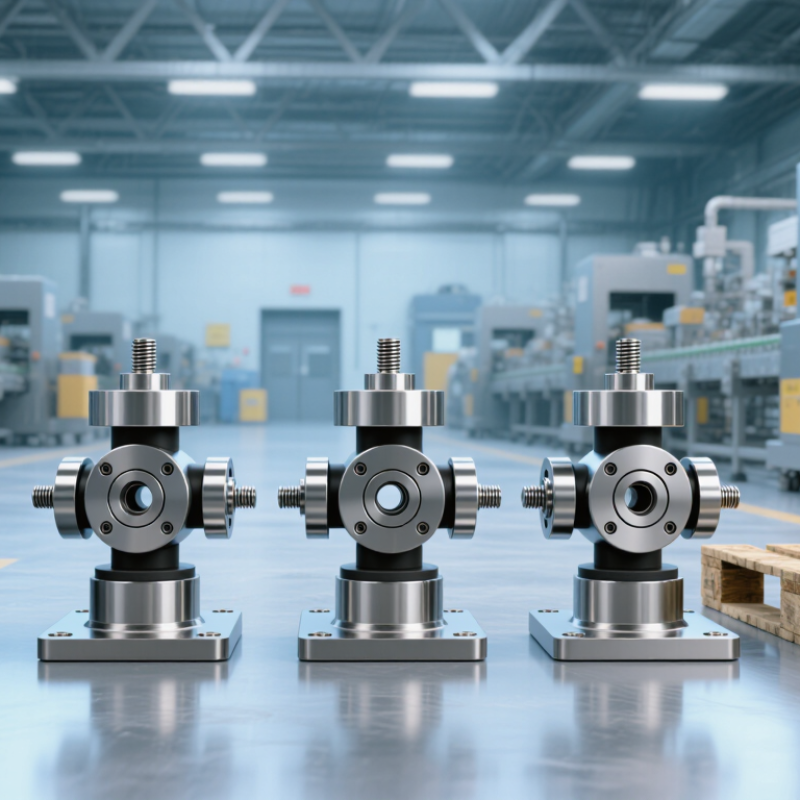
Ball transfer units are mechanical components that help heavy loads move in several directions. Each unit contains a large load-bearing ball, smaller supporting balls, a housing, and sometimes seals. The main ball turns as a carton, steel plate, or machine part moves across its surface. This changes sliding friction into rolling contact.
Several units are usually installed in a flat table or conveyor deck. When a load touches multiple balls, operators can push it forward, sideways, or rotate it with less effort. Picture a metal crate moving across a workshop table. Its bottom glides from one polished ball to the next. The result feels simple, but spacing matters. If the units sit too far apart, the load may dip between them.
Selection requires more than checking the stated load rating. Buyers should consider load distribution, impact, movement frequency, surface condition, and the working environment. A practical calculation divides the load by the number of units carrying it, then applies a safety margin. That estimate can still be imperfect. Real loads shift, and not every ball carries equal weight.
Stainless steel suits damp areas, while hardened steel may fit demanding industrial handling. Sealed designs help resist dust and moisture. During inspection, check for rough rotation, flat spots, corrosion, and trapped debris. A unit that feels smooth by hand may still fail under repeated shock, so sample testing with the actual load is wise.
Key Types of Ball Transfer Units for Global Applications
Ball transfer units guide crates, panels, and machine parts across surfaces with low directional resistance. Their design choices matter more than appearance. Steel units suit dry warehouses and moderate loads. Stainless steel units resist moisture, cleaning chemicals, and coastal air. They cost more, but replacement work can be expensive. Plastic-bodied units reduce weight and noise. They fit lighter-duty handling lines, though temperature limits need careful checking. Small details matter.
Flange-mounted units offer a broad fixing surface for tables and transfer decks. Stud-mounted units fit drilled plates and support compact installation. Spring-loaded units absorb uneven contact and help delicate items move smoothly. Heavy-duty units use larger balls, thicker housings, and stronger load paths. They support dies, stone slabs, and industrial containers. I have found that stated load capacity can mislead. The rating may assume perfect load distribution, which rarely exists.
Global buyers should check ball material, housing finish, seal design, operating temperature, and mounting dimensions. A dusty plant may need sealed construction. A food-processing area may require cleanable stainless surfaces and documented material data. Test units with the actual pallet or panel before approving volume purchases. We once overlooked floor vibration during a trial. The units worked, but movement became inconsistent. That mistake changed our inspection checklist. Reliable selection comes from measured conditions, not catalog wording.
How to Select the Right Ball Transfer Unit
How to Select the Right Ball Transfer Unit
Selecting a ball transfer unit starts with the load, not the catalog image. Measure the product weight, base material, contact area, and movement frequency. In practical layouts, designers often assume only three units carry the load. That assumption needs verification when pallets flex or floors are uneven. Calculate load per unit, then add a safety margin for impact and side force. A smooth start is valuable.
The 2024 MHI Annual Industry Report found that 55% of surveyed supply-chain professionals had adopted robotics and automation, or planned adoption within two years. That trend increases demand for low-friction, predictable transfer points. Choose hardened steel balls for demanding industrial contact, stainless materials for humid areas, and sealed designs where dust or washdown is expected. Check the rated load at the intended speed. Static capacity alone can mislead.
Installation details matter.
Units should sit at a consistent height, with spacing below the smallest product footprint. A practical check uses a loaded test box, not an empty sample. Observe rolling resistance, noise, ball marks, and product drift. ISO 12100 risk-assessment principles also support guarding pinch points and reviewing foreseeable misuse. I have seen well-rated units fail early because debris entered the housing. The selection was not wrong on paper. The environment was underestimated. Ask for test conditions, tolerances, replacement intervals, and independent documentation before approving a global purchase.
Materials, Load Ratings, and Performance Factors
For global buyers, ball transfer units should be selected by material, load rating, and operating environment. Carbon steel suits dry indoor handling, while stainless steel performs better near moisture, cleaning chemicals, and temperature changes. Polymer components reduce noise, but they may lose stiffness under heat. ISO 76:2006 defines static load ratings around permanent deformation limits, not everyday performance. That distinction is often missed.
Load calculations need practical caution. Divide the total cargo weight by the units carrying the load, then apply a safety factor for impact and uneven floors. A 1,000-kilogram crate supported by four units does not create four equal 250-kilogram loads. Real contact may involve only three units. The 2024 Global Market Insights assessment projects continued growth in material-handling equipment, driven by warehouse automation and heavier unit loads. That trend makes fatigue resistance more important than headline capacity. ISO 281:2007 provides the established method for rolling-bearing rating life, although ball transfer units experience different contamination and impact conditions.
Performance also depends on ball diameter, housing clearance, mounting accuracy, and floor cleanliness. A larger ball can reduce rolling resistance on rough surfaces. Sealed designs help, but seals can increase starting force. In cold storage, grease viscosity may become the hidden problem. I have seen specifications focus heavily on static capacity while ignoring startup effort and side loading. That is not a complete comparison. Buyers should request test data at the actual temperature, speed, orientation, and cleaning cycle. Specification sheets rarely describe every failure condition.
2026 Best Ball Transfer Units for Global Buyers
Typical static load-rating ranges by ball diameter and housing material
Carbon-steel units generally provide the highest load capacity for standard industrial applications.
Stainless-steel units offer better corrosion resistance, while polymer-housed units are suitable for lighter loads,
quieter operation, and applications where non-marking contact is important. Actual capacity depends on ball diameter,
mounting orientation, rolling speed, shock loading, temperature, lubrication, and safety factor.
The values shown are representative engineering ranges commonly specified for industrial ball transfer units and should
be verified against the selected unit’s technical datasheet before purchase.


' d='M0 0h21v15H0z'/%3E%3Cpath fill='url(%23b)' d='M0 0h21v5H0z'/%3E%3Cpath fill='url(%23c)' d='M0 5h21v5H0z'/%3E%3Cpath fill='url(%23d)' d='M0 10h21v5H0z'/%3E%3C/g%3E%3C/svg%3E)